Product Overview
Get our product definition, description & key information along with examples of the product’s applications & industries.
What Are Hex Head Bolts?
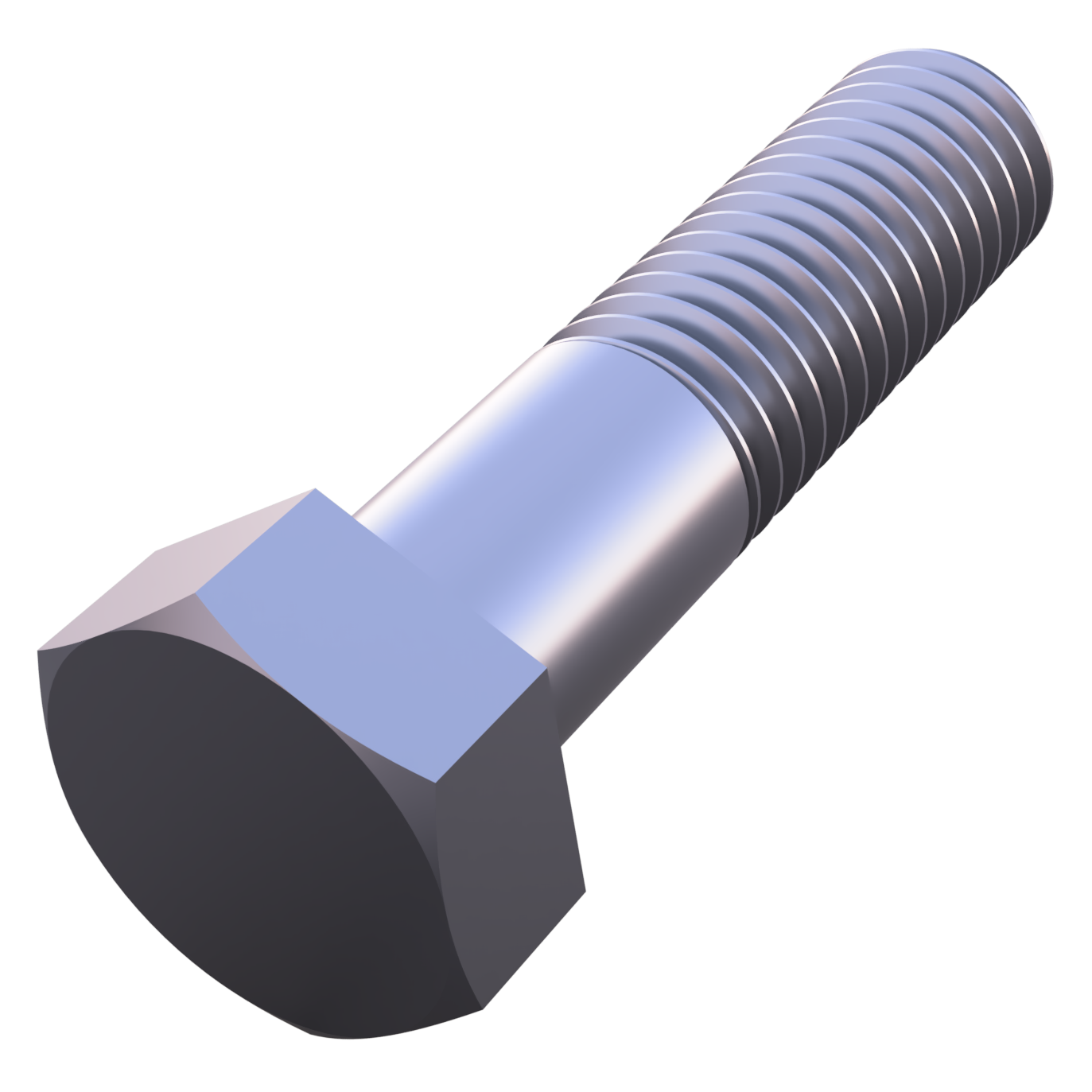
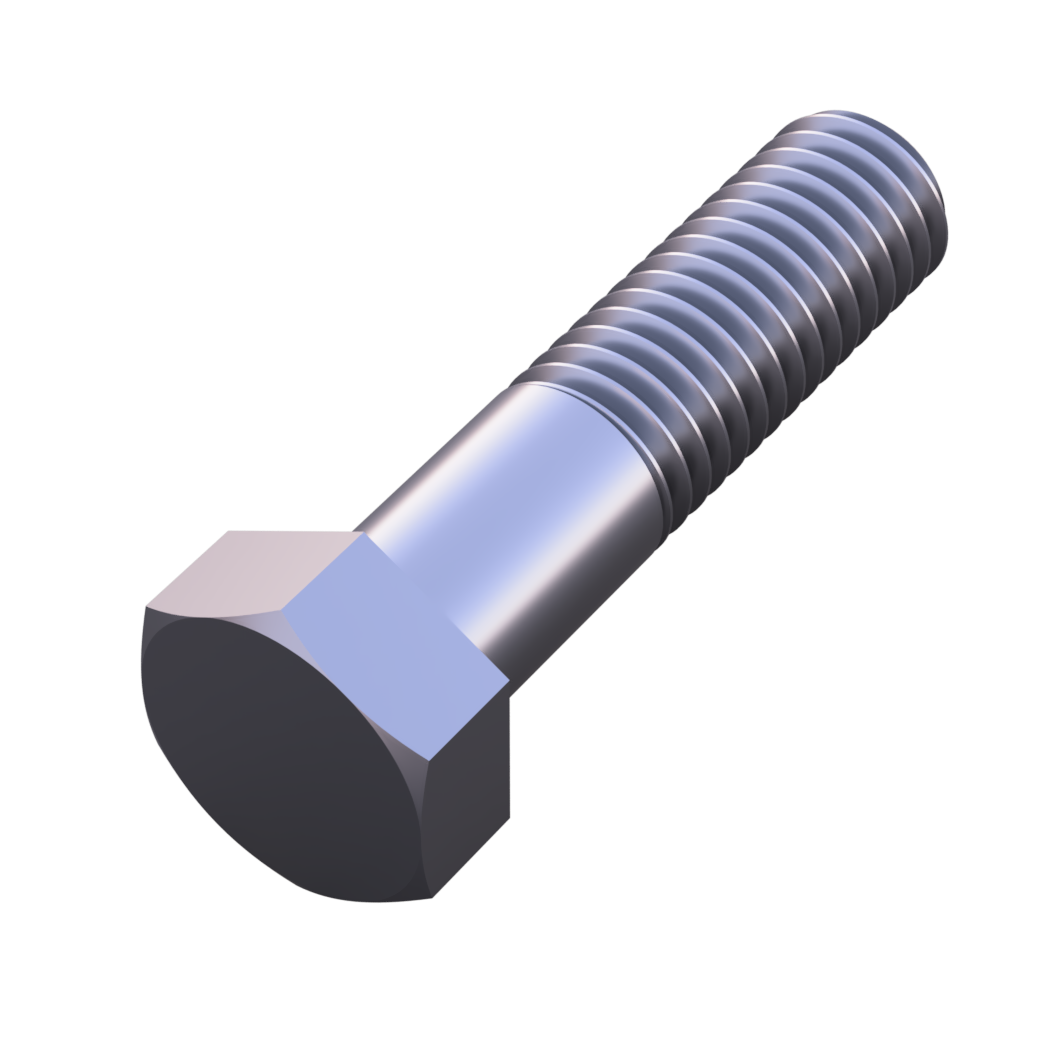
Hex head bolts, also known as hexagon head bolts, feature a six-sided head that allows easy installation and removal using standard tools. These versatile fasteners can be fully or partially threaded and are typically secured with a nut. Their design provides six access points, making them ideal even in tight spaces. Renowned for their strength and adaptability, hex head bolts offer reliable connections across various applications.
Hex head bolts are also called:
- Hex head cap screws
- Machine bolts
- Hex screws
- Cap bolts
- Tap bolts (for full thread requirements)
- Finished hex head bolt
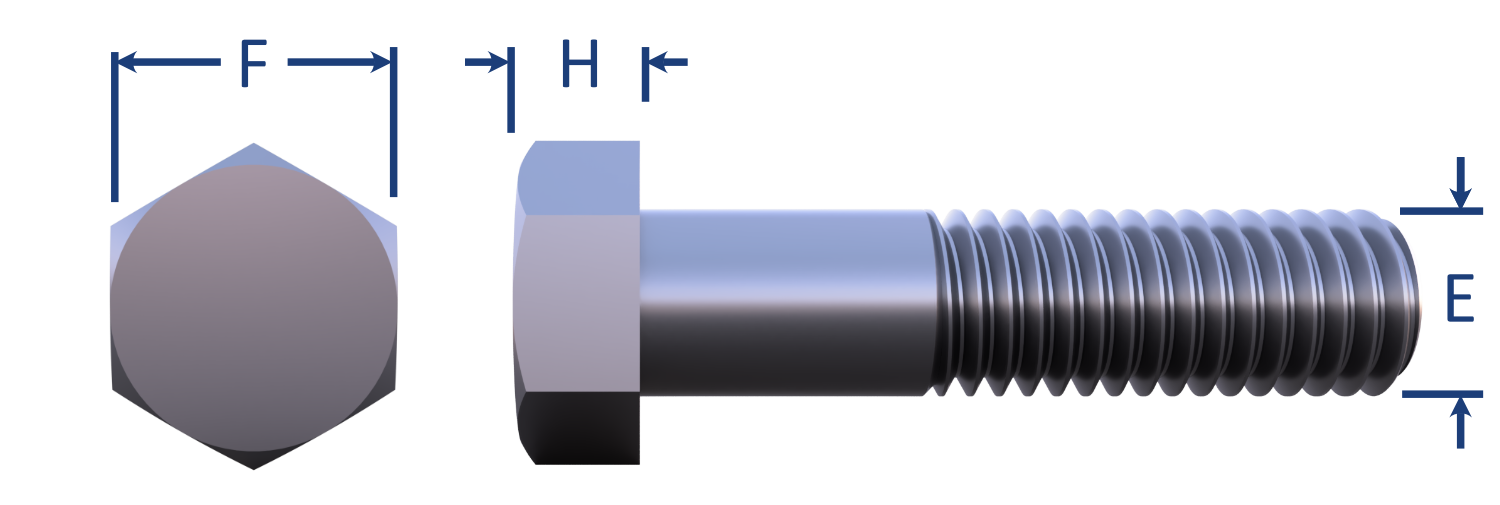
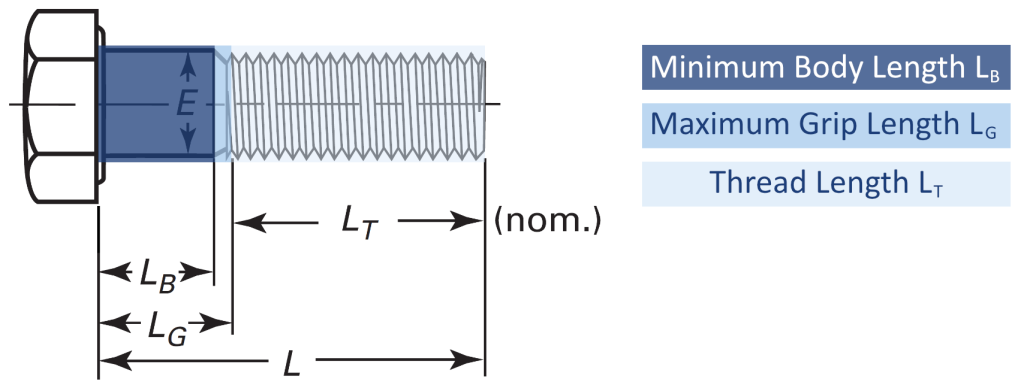
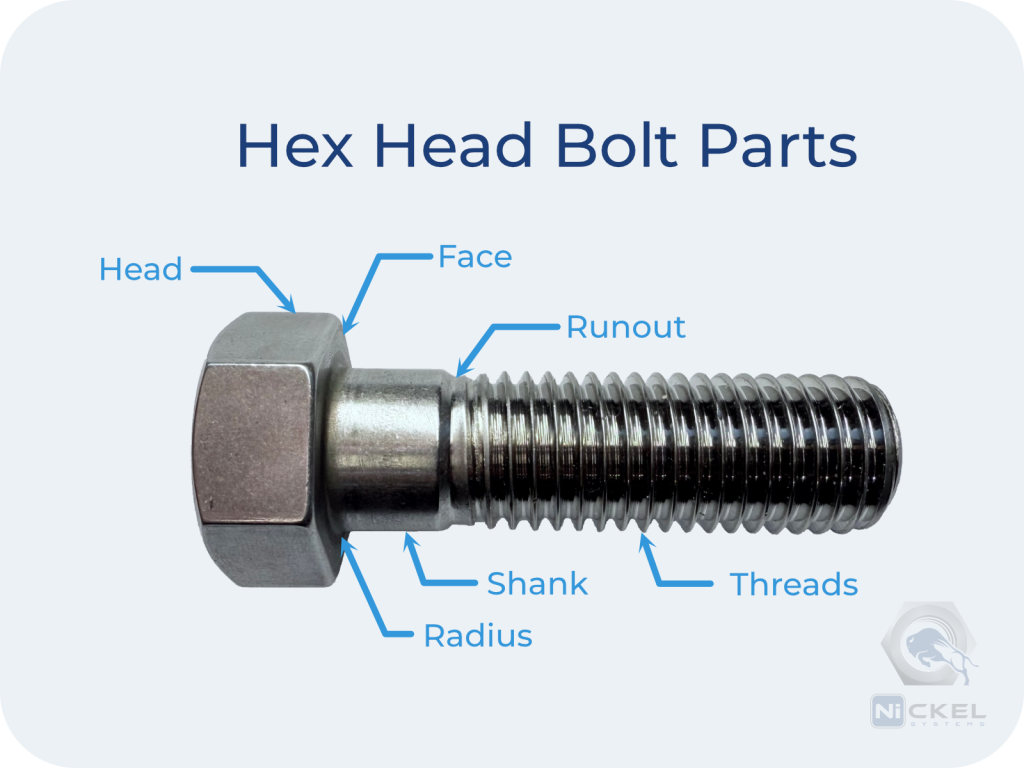
Check out the various parts of a hex head bolt:
Industries and Applications
Standard materials often fail to meet performance requirements in industries where extreme environments are common, such as chemical processing, aerospace, marine and power generation. Hex head bolts manufactured from exotic alloys like Hastelloy® C276, Carpenter® 20, Duplex and A286 solve this problem. These specialized materials can endure corrosive environments, high temperatures and mechanical stresses, ensuring exceptional durability and safety. Below are key industries and applications where hex head bolts play a critical role:
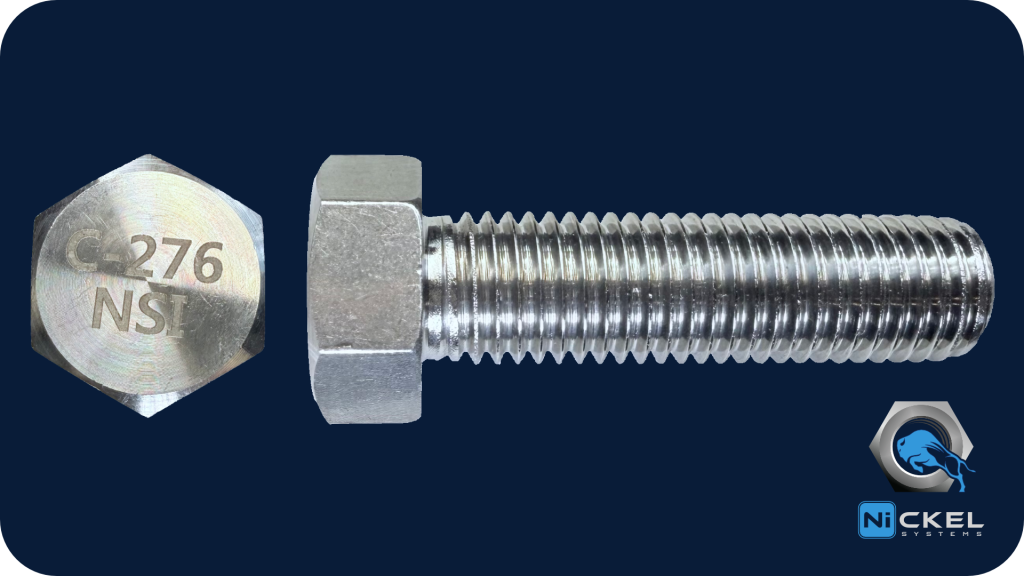
- Chemical processing: In environments where exposure to corrosive chemicals is common, hexagon head bolts made from exotic alloys like Hastelloy C276 and Carpenter alloy 20 are essential. They secure components in chemical reactors, storage tanks and processing equipment and provide resistance to harsh acids and chemicals.
- Semiconductor manufacturing: Precision and cleanliness are paramount in semiconductor facilities. Hex bolts crafted from materials that resist contamination and withstand clean room environments are utilized in assembling fabrication equipment and supporting structures.
- Power generation: From nuclear to renewable energy plants, tap bolts are used to assemble turbines, generators and structural components. Alloys like A286 offer the high-temperature strength necessary for these demanding applications.
- Pulp and paper mills: Processing equipment in pulp and paper mills operates under conditions that can cause rapid corrosion. Hex head bolts made from materials such as Duplex alloys and Inconel® provide the necessary corrosion resistance and mechanical strength.
- Water systems and treatment: Hexagon head bolts are used in pipelines, pumps and filtration systems at desalination plants and water treatment facilities.
- Construction and infrastructure: Hex head bolts are fundamental in heavy-duty fixing and fastening applications, such as fastening wood to wood, wood to metal or metal to metal. They secure structural frameworks, bridges and heavy machinery, ensuring stability and safety in buildings and infrastructure projects.
- Manufacturing and machinery: Hex bolts are fundamental in aerospace, automotive and industrial manufacturing. They are used to assemble equipment, machinery and tools. Their ability to withstand high temperatures, torques and stresses makes them ideal for machinery assembly and fastening heavy equipment.
- Furniture production: Hex bolts provide strong and reliable joints in products ranging from office furniture to high-end custom pieces, facilitating easy assembly and disassembly.
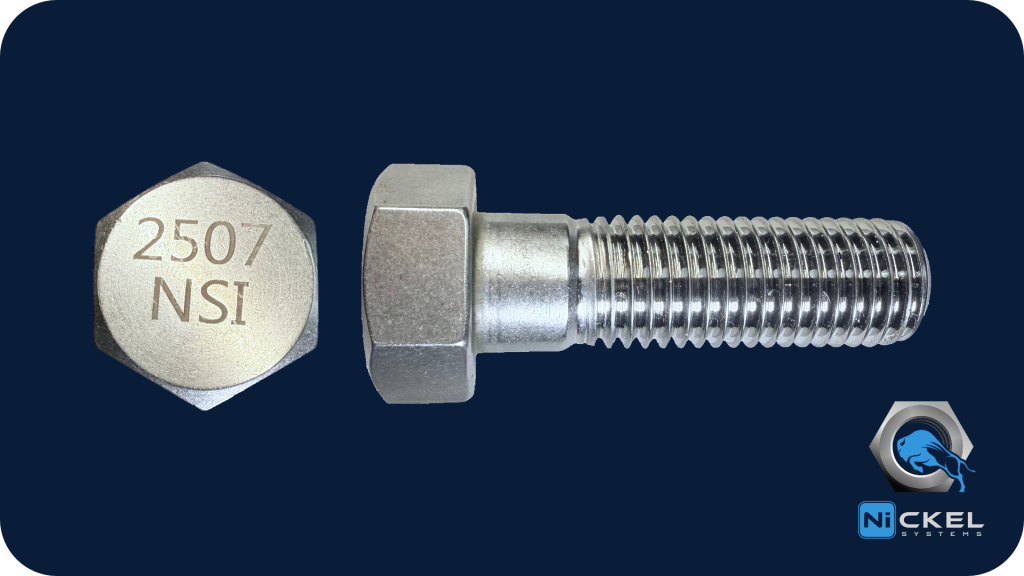
- Marine and offshore applications: For shipbuilding and offshore platforms, machine bolts made from Monel® or Duplex alloys resist the corrosive effects of saltwater, maintaining the integrity of structures and equipment in harsh marine environments.
Exotic Alloys for Hex Head Bolts:
Inconel
- Types – Inconel 600, Inconel 625, Inconel 718
- Properties – Excellent high-temperature resistance, corrosion resistance, & strength in extreme environments
- Usage – Aerospace: Jet engines & gas turbines || Oil and Gas: Offshore platforms, subsea equipment, & heat exchangers || Chemical Processing: Acidic & high-temperature reactors
Hastelloy
- Types: Hastelloy C276, Hastelloy G30, Hastelloy B2, Hastelloy X750, Hastelloy C-22
- Properties – Exceptional corrosion resistance in highly acidic environments and outstanding resistance to cracking under stress
- Usage – Chemical Processing: Acid storage tanks, heat exchangers, & chemical reactors || Marine Applications: Components in saltwater & brine environments
Titanium
- Types – Titanium Gr2, Titanium Gr5, Titanium Gr7
- Properties – Lightweight, strong, & extremely resistant to corrosion, even in seawater or chlorinated environments
- Usage – Aerospace: Aircraft components and spacecraft || Medical: Surgical implants & medical devices || Marine: Submersibles & naval hardware
- Properties – Excellent corrosion resistance in saltwater & acidic environments, with high strength & durability
- Usage – Marine: Shipbuilding, valves, & underwater piping || Chemical Processing: Handling of acidic & alkaline materials
- Properties – High corrosion resistance, particularly in chloride-rich environments, with excellent tensile and yield strength
- Usage – Oil and Gas: Offshore platforms & subsea equipment || Water Treatment: Desalination plants & pipelines
- Properties – High strength, excellent oxidation resistance, & performance in high temperatures up to 1,300°F (700°C)
- Usage – Aerospace: Turbine engines & jet components || Power Generation: High-temperature boilers & turbines
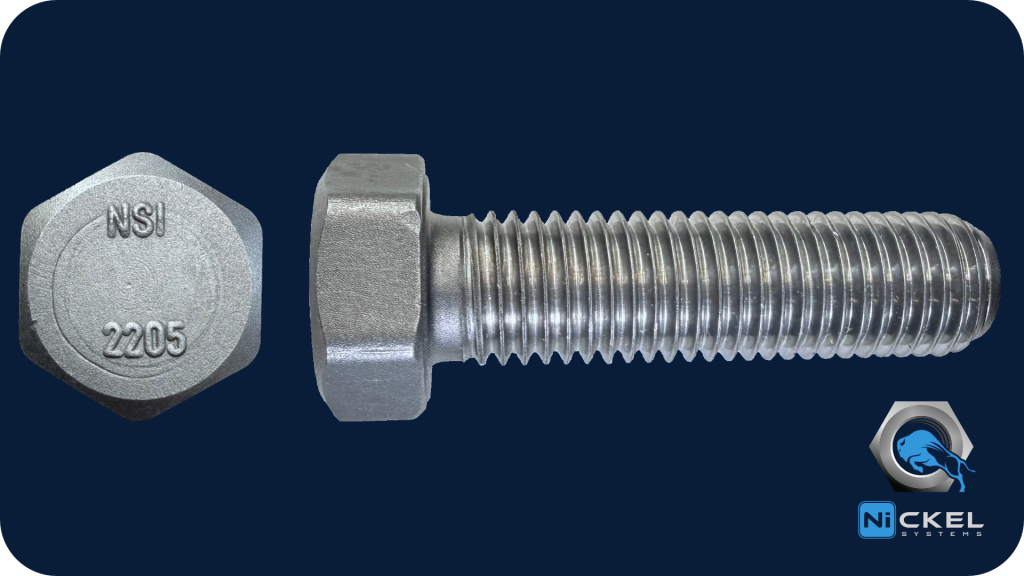
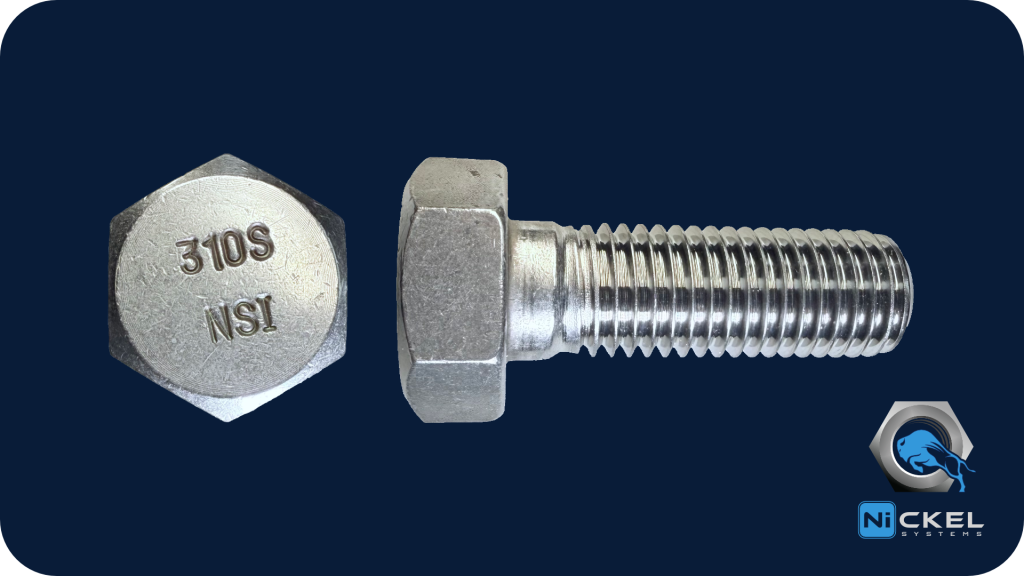
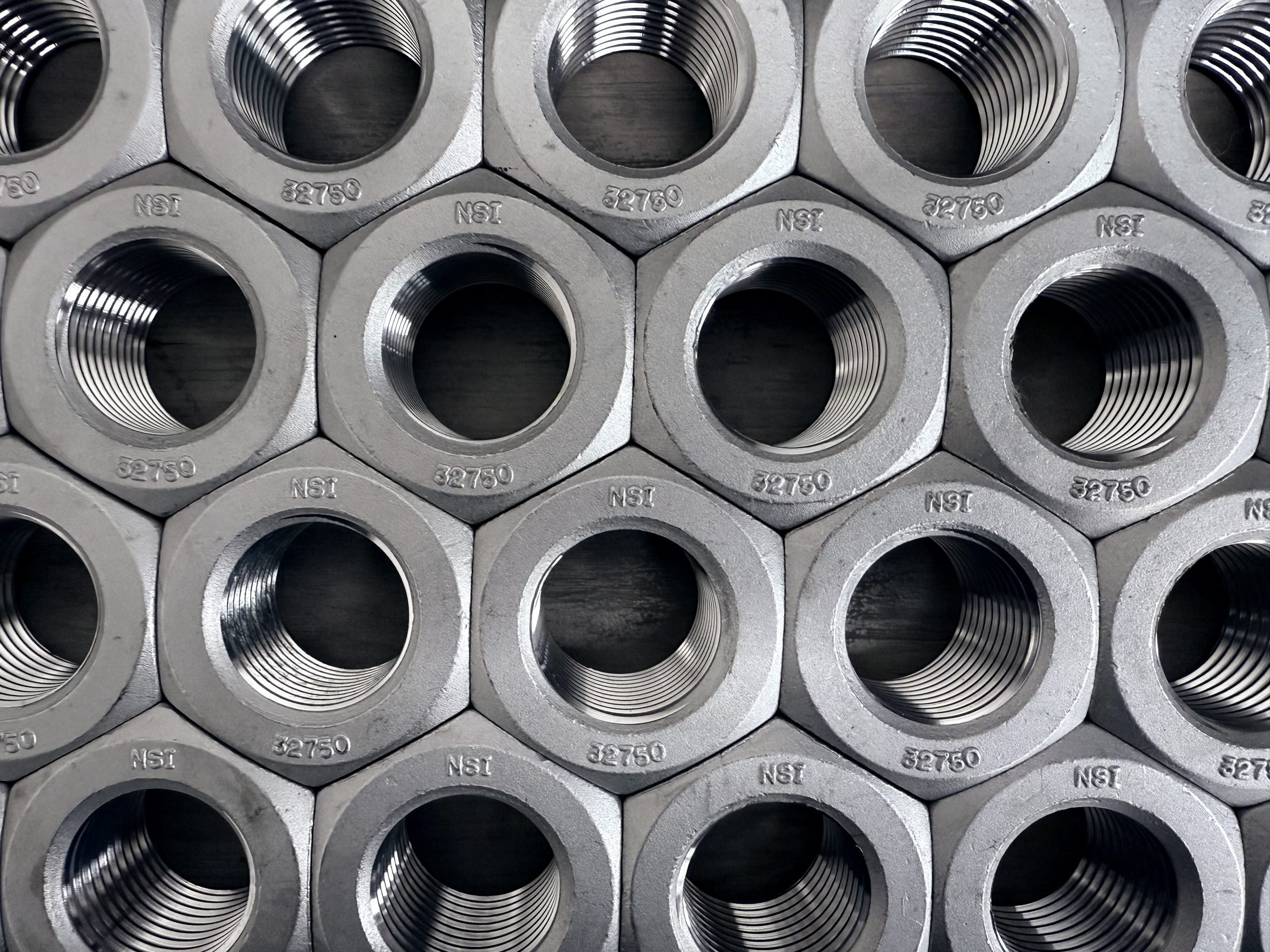
- Below is a hex head bolt A286 material with a glass bead surface finish.
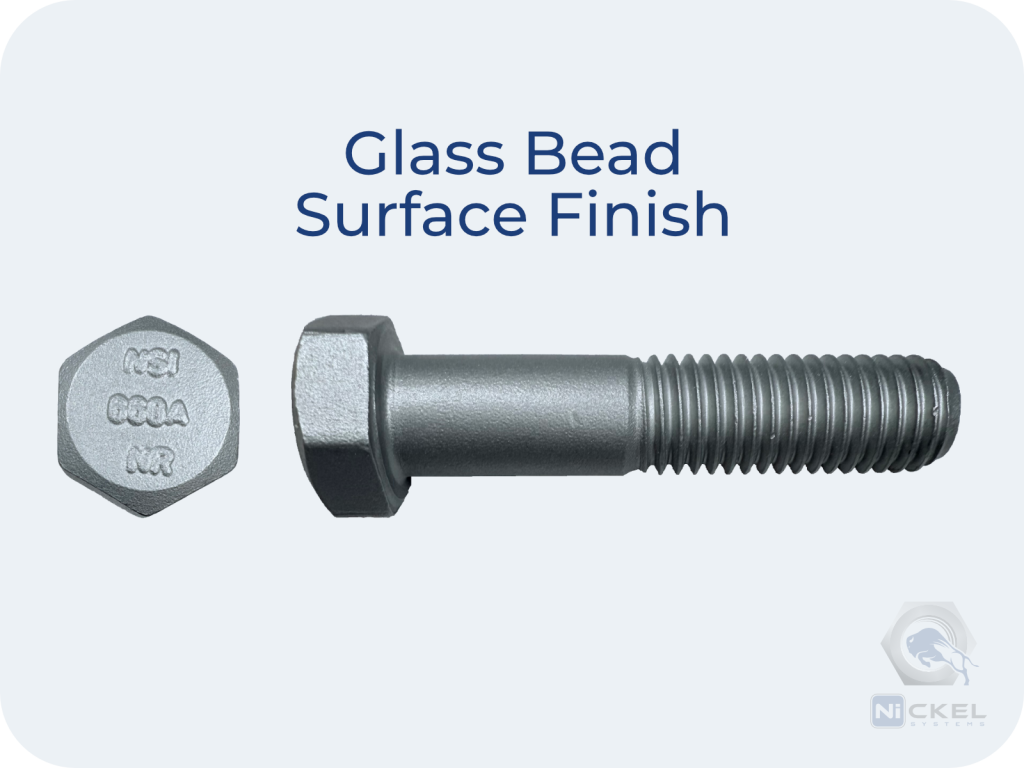
These exotic alloys are necessary for applications where traditional materials fail due to harsh environmental conditions or specific performance requirements.
Tips for Choosing the Right Type of Hex Head Bolts
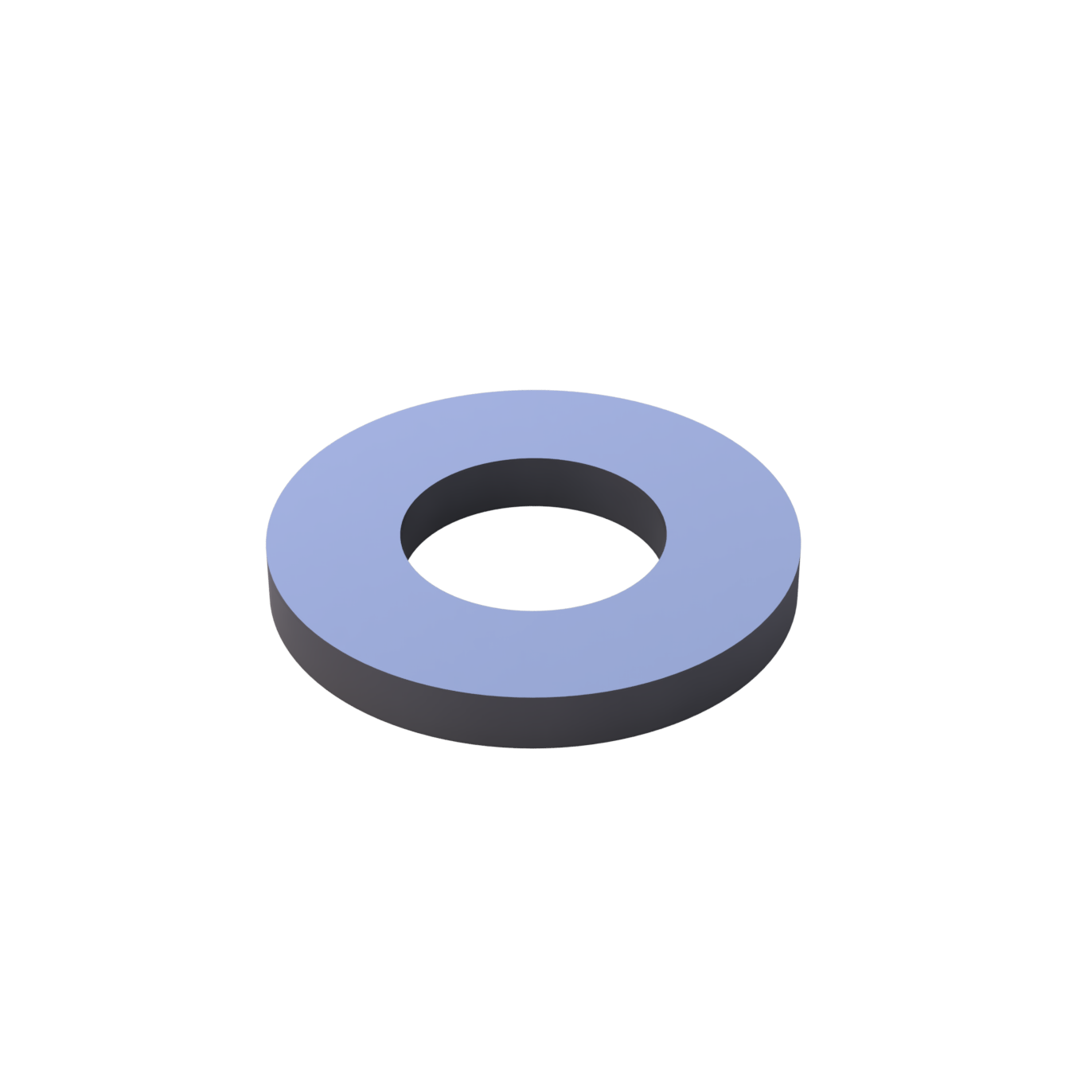
- Match grades: When using hex head bolts, use washers, lock washers and nuts of the same grade and finish as the bolt.
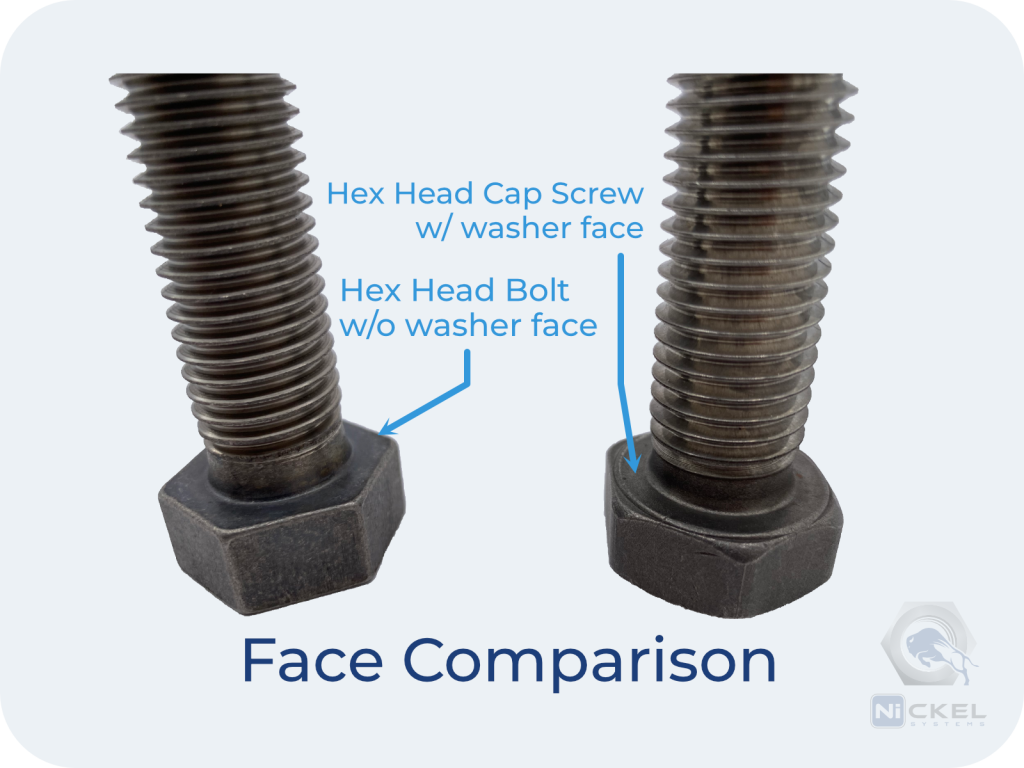
- Know the differences between hex bolts and hex cap screws: Although the names are often used interchangeably, there is a difference between hex bolts and hex cap screws. Hex cap screws have a flat washer face under the head that meets certain specific tolerances. Hex bolts are simply flat on their face. Hex cap screws also have a tighter tolerance throughout its dimensions and have a chamfered end. Hex head bolts do not, and their ends are flat.
- Confirm specifications: Check your parts and specifications list to confirm your desired fastener, including its type, material, grade and finish.
Why Choose Hex Bolts for Your Application?
The design of hex head bolts ensures reliable performance in high-stress and load-bearing applications, making them a preferred choice for assembling structures, securing mechanical parts and maintaining heavy equipment. With variations in materials, coatings and thread types, they adapt to specific industry requirements, offering durability, corrosion resistance and ease of use. The versatility and functionality of hex head bolts underscore their critical role in enabling safe, efficient and long-lasting assemblies across diverse applications.
Start your quote today with the Nickel Systems sales team.
REQUEST A QUOTE