Overview of Haynes® 556®
Haynes® 556® is built for high-temperature strength plus high-temperature corrosion resistance. It performs especially well in sulfidizing, carburizing, and chlorine-bearing atmospheres, while also offering good oxidation resistance and strong fabricability (forming/welding).
What Is Haynes® 556®?
Haynes® 556® alloy (UNS R30556) is an iron–nickel–chromium–cobalt alloy designed for service in moderately to severely corrosive, elevated-temperature environments. It’s also been shown to resist attack from molten chloride salts (and other salts) and molten zinc, which is a key reason it’s often selected for harsh thermal/process-duty hardware and fixtures.
From a thermal-use standpoint, Haynes® 556® shows good resistance in oxidizing environments and can be used for long-term exposure up to about 2000°F (1095°C) (with higher temperatures possible for shorter durations depending on conditions/design).
Other Names for Haynes® 556®
This alloy is also known as:
- Haynes 556 alloy
- UNS R30556
- Alloy 242
- Alloy 556 (common industry shorthand)
Haynes® 556® Composition
This material is composed of the following elements:
- Iron: 31.00% maximum
- Chromium: 22.00%
- Nickel: 20.00%
- Cobalt: 18.00%
- Molybdenum: 3.00%
- Tungsten: 2.50%
- Tantalum: 0.60% maximum
- Nitrogen: 0.20%
- Silicon: 0.40% maximum
- Manganese: 1.00%
- Aluminum: 0.20% maximum
- Carbon: 0.01% maximum
- Plus minor additions/limits (e.g., niobium max, boron max, lanthanum, zirconium).
Specification note: Chemical limits for UNS R30556 are defined by product standards (for example, ASTM specifications that include UNS R30556 such as ASTM B435 for plate/sheet/strip). If your application requires a specific specification revision, melt practice, or tighter chemistry, include that in your RFQ so it’s confirmed on the material test report (MTR).
Haynes® 556® Applications
Haynes® 556® is frequently used where heat + corrosive combustion/process environments drive material selection. Common uses include:
- Waste incineration & thermal processing: tubing and structural members in municipal/industrial waste incinerators; rotary calciners and kilns for minerals processing.
- Chemical process industry: In the chemical process industry, rotary calciners, carbon regenerators, and processes involving high-sulfur petroleum feedstocks.
- Industrial gas turbines (non-rotating hot-section components): components exposed to hot, corrosive gases—especially when burning lower-grade fuels.
- Metallurgical processing & galvanizing-related hardware: hot-dip galvanizing fixtures, spinners, baskets; high-speed furnace fans.
- Other high-temp equipment: air preheaters of diesel engines; inner covers of coil annealing furnaces; select aerospace high-temperature applications.
Haynes® 556® Fasteners
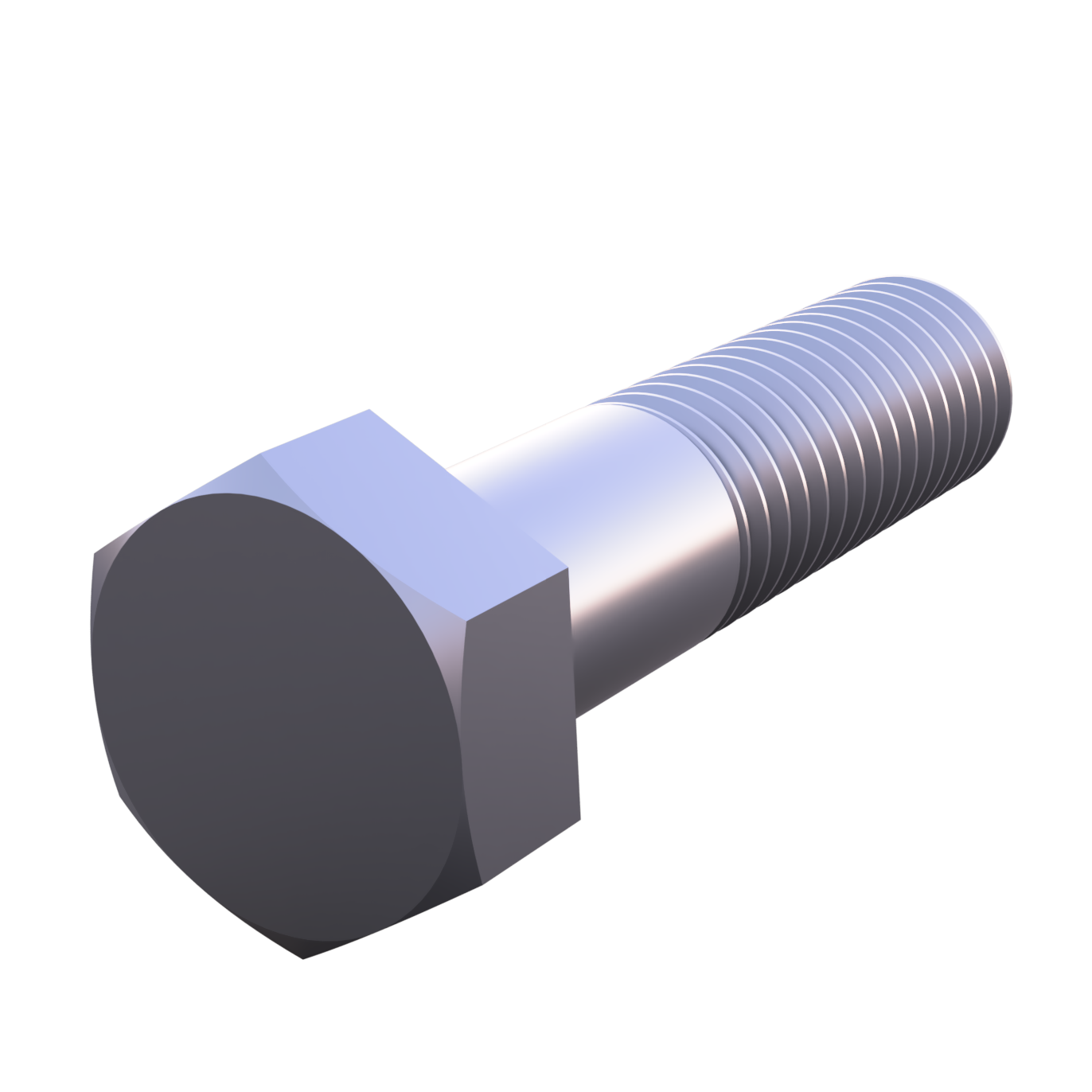
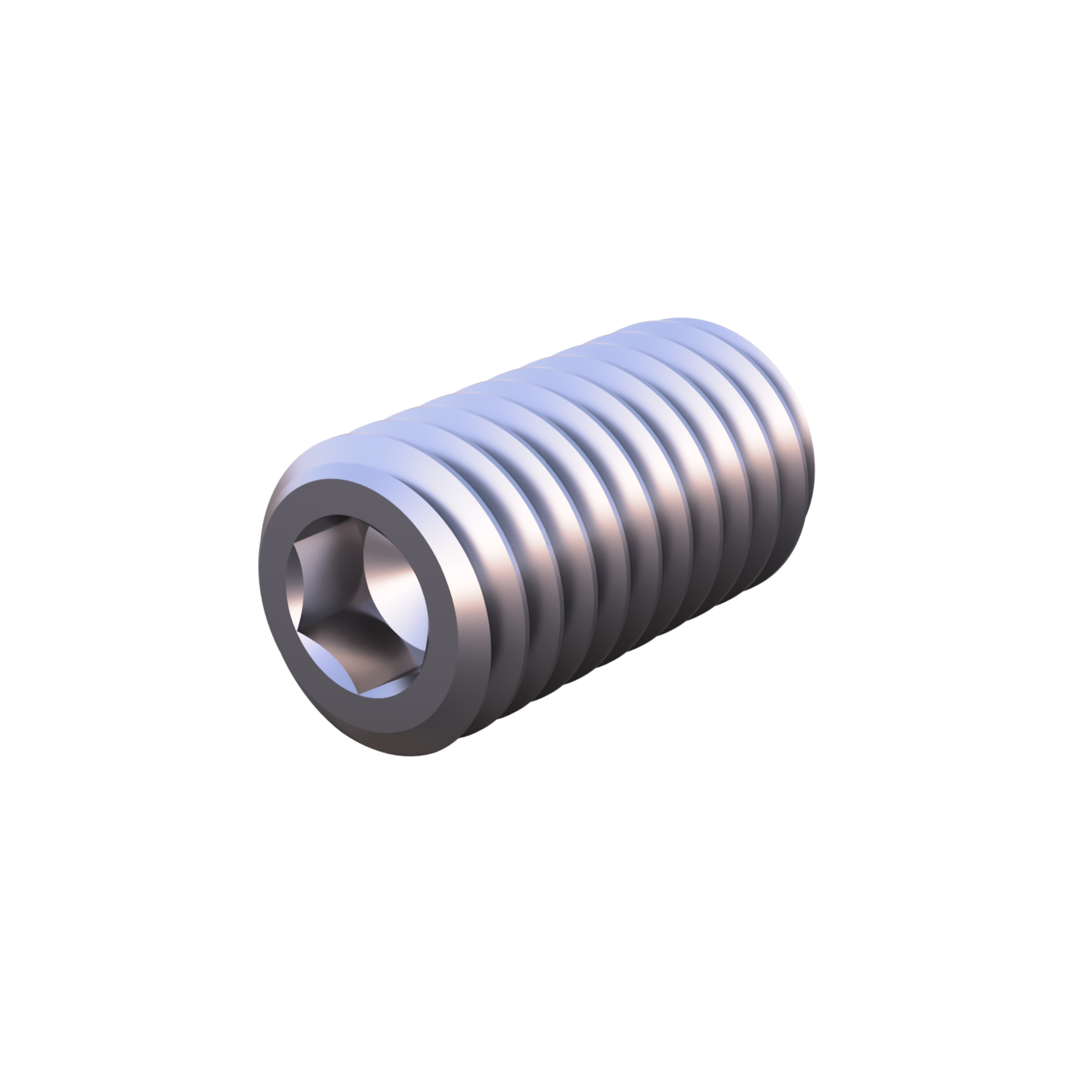
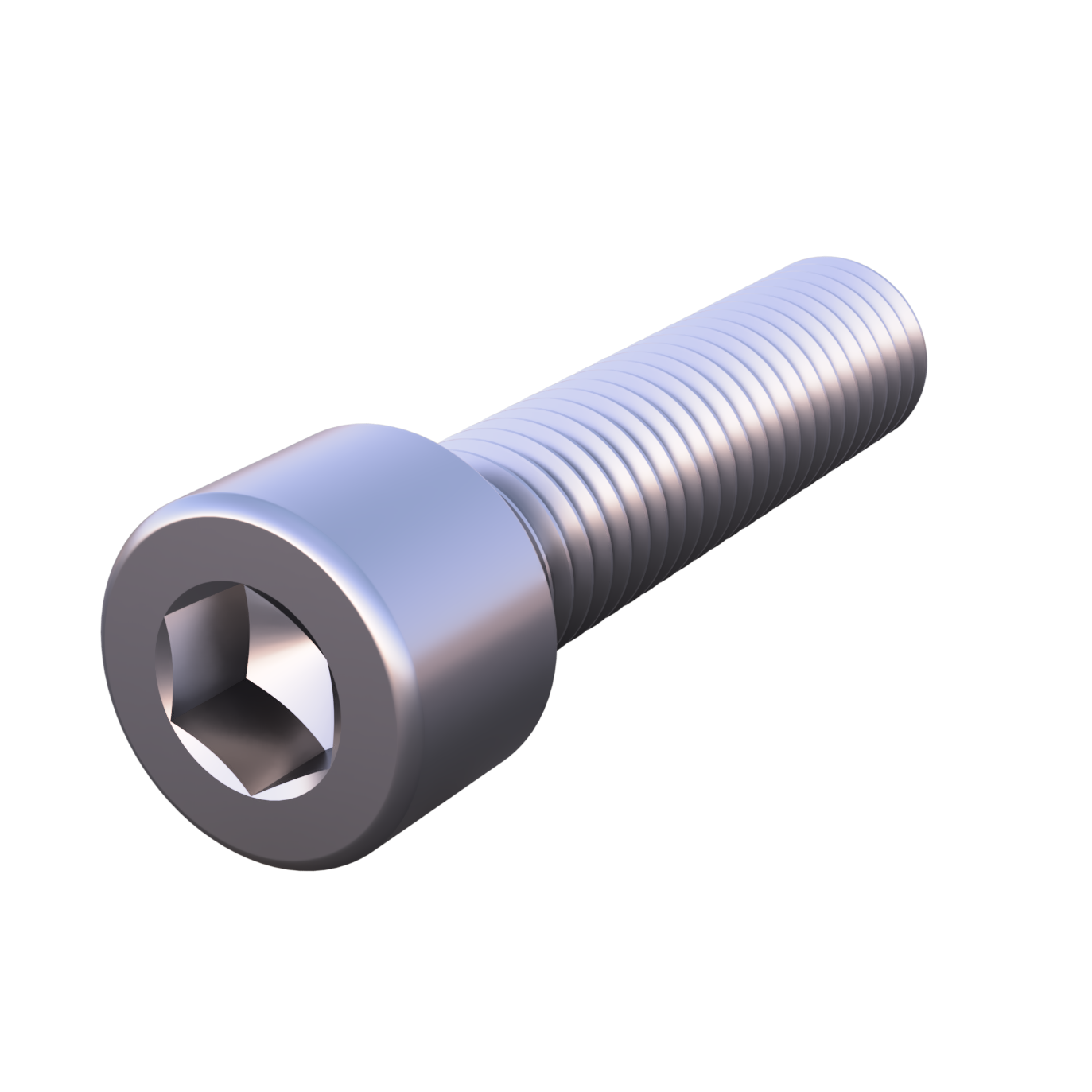
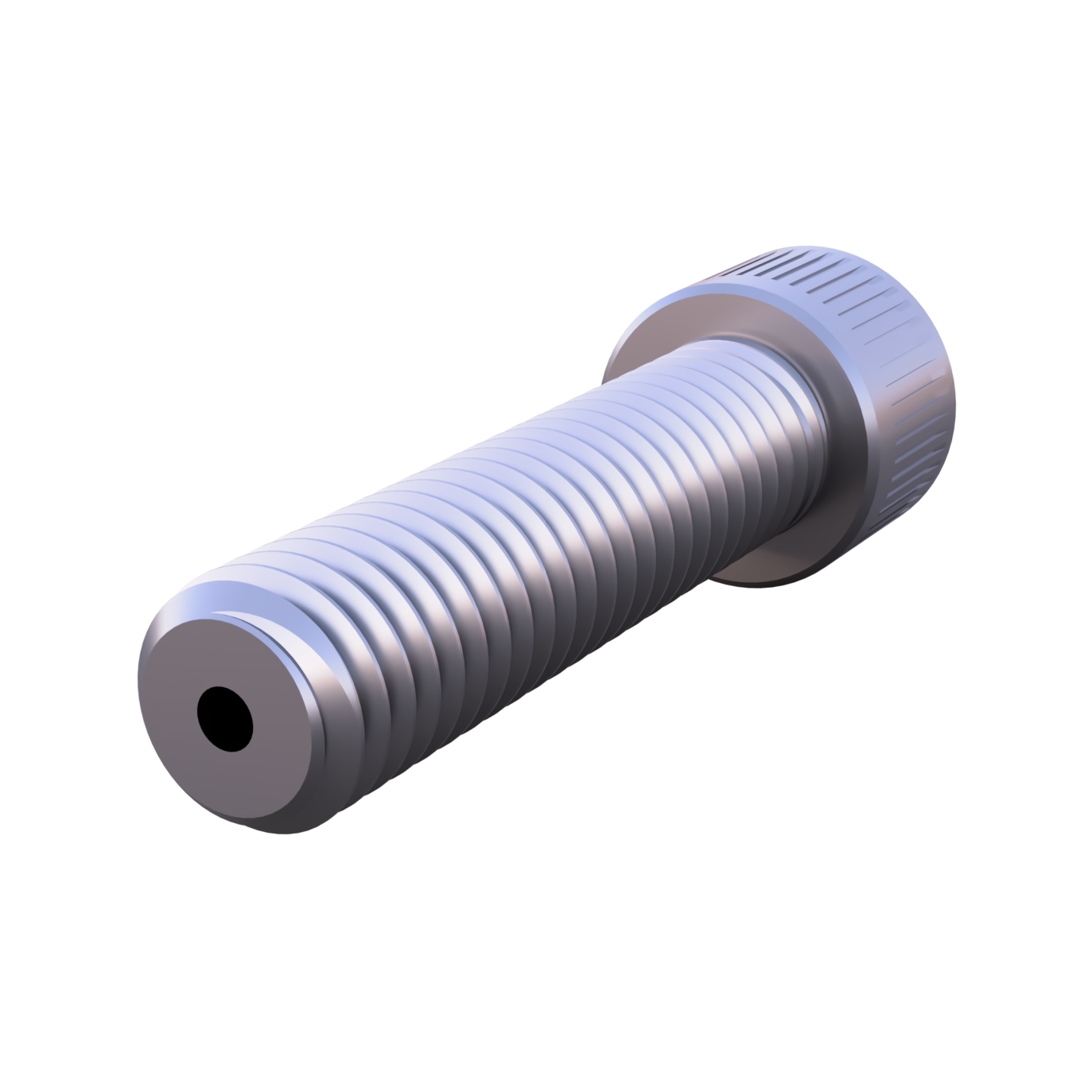
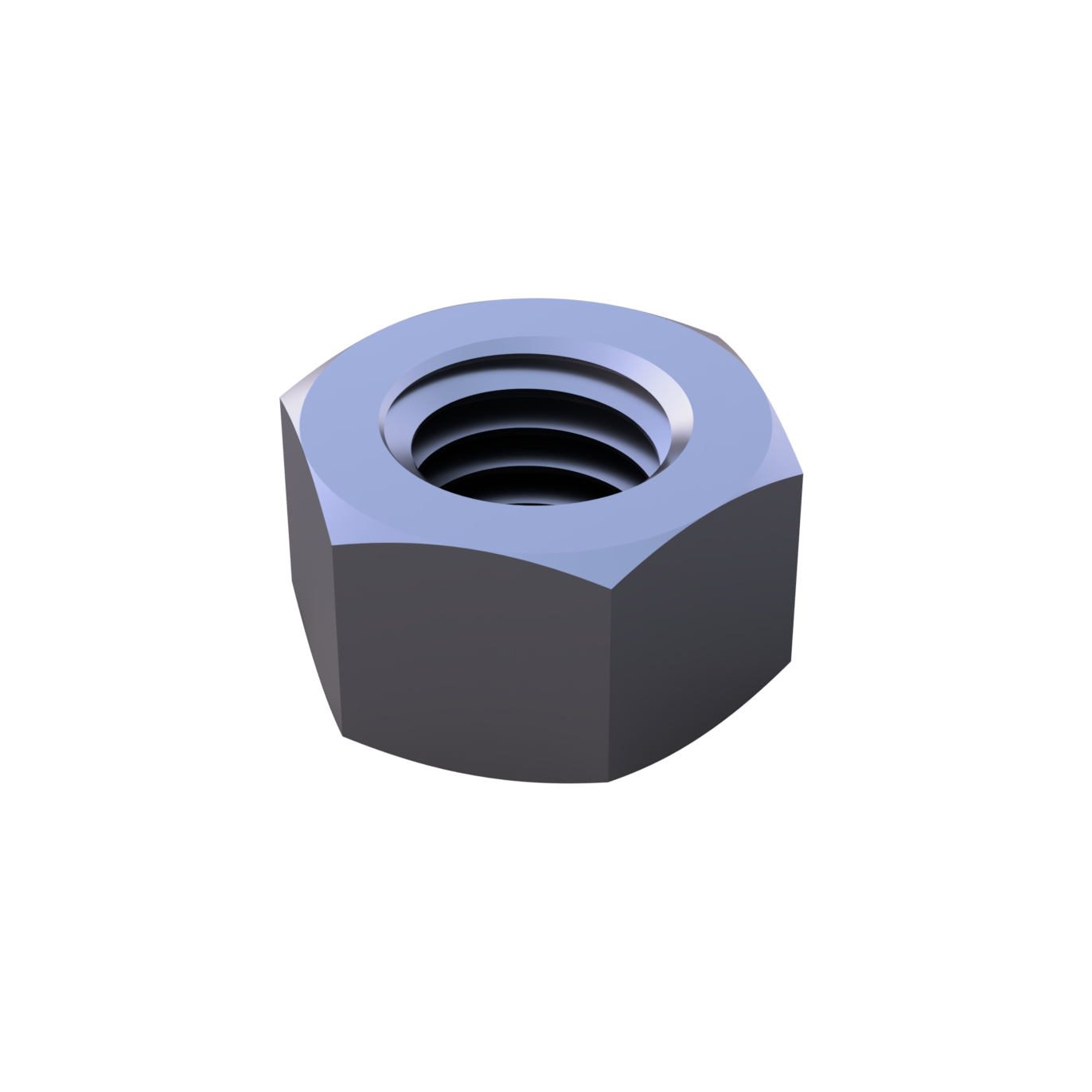
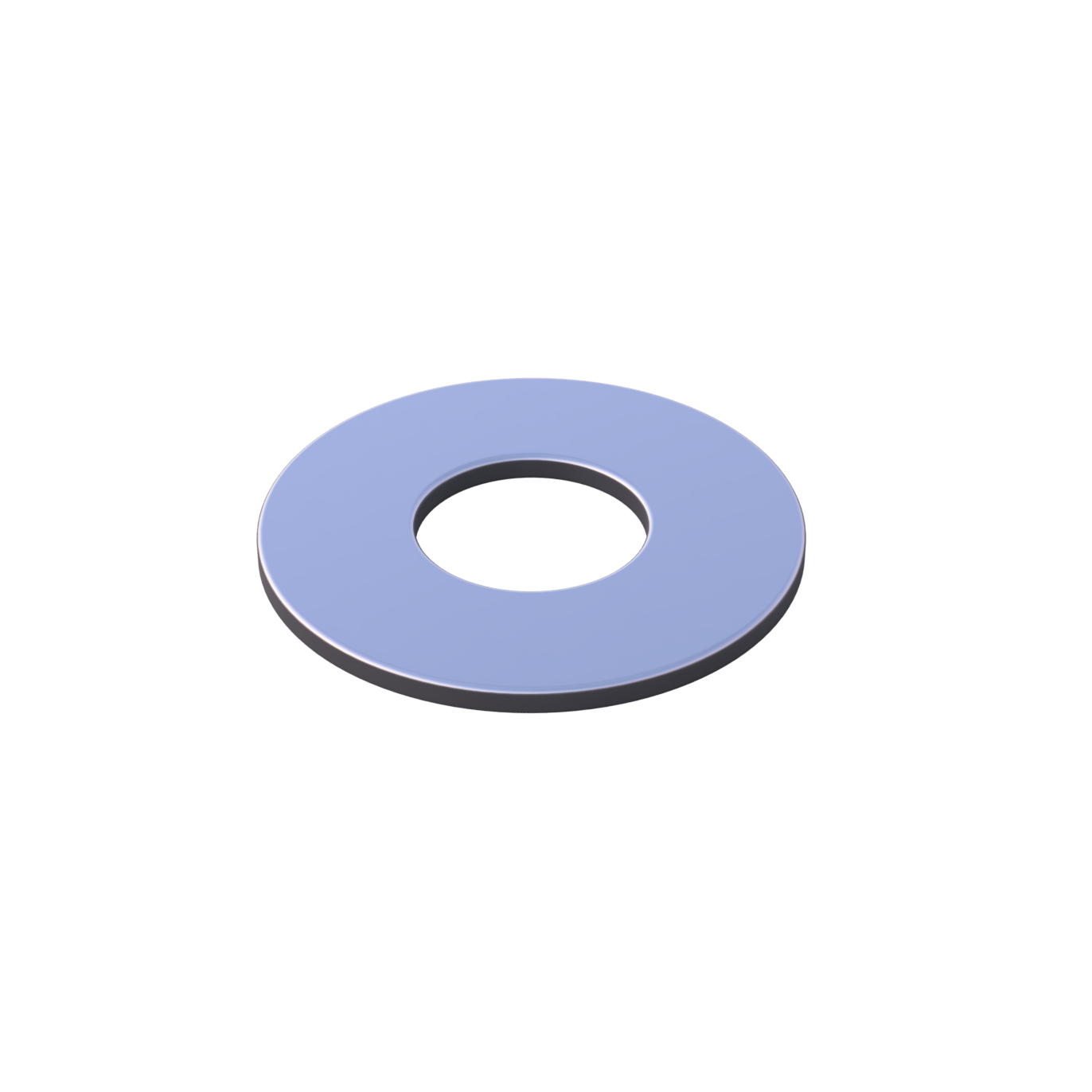
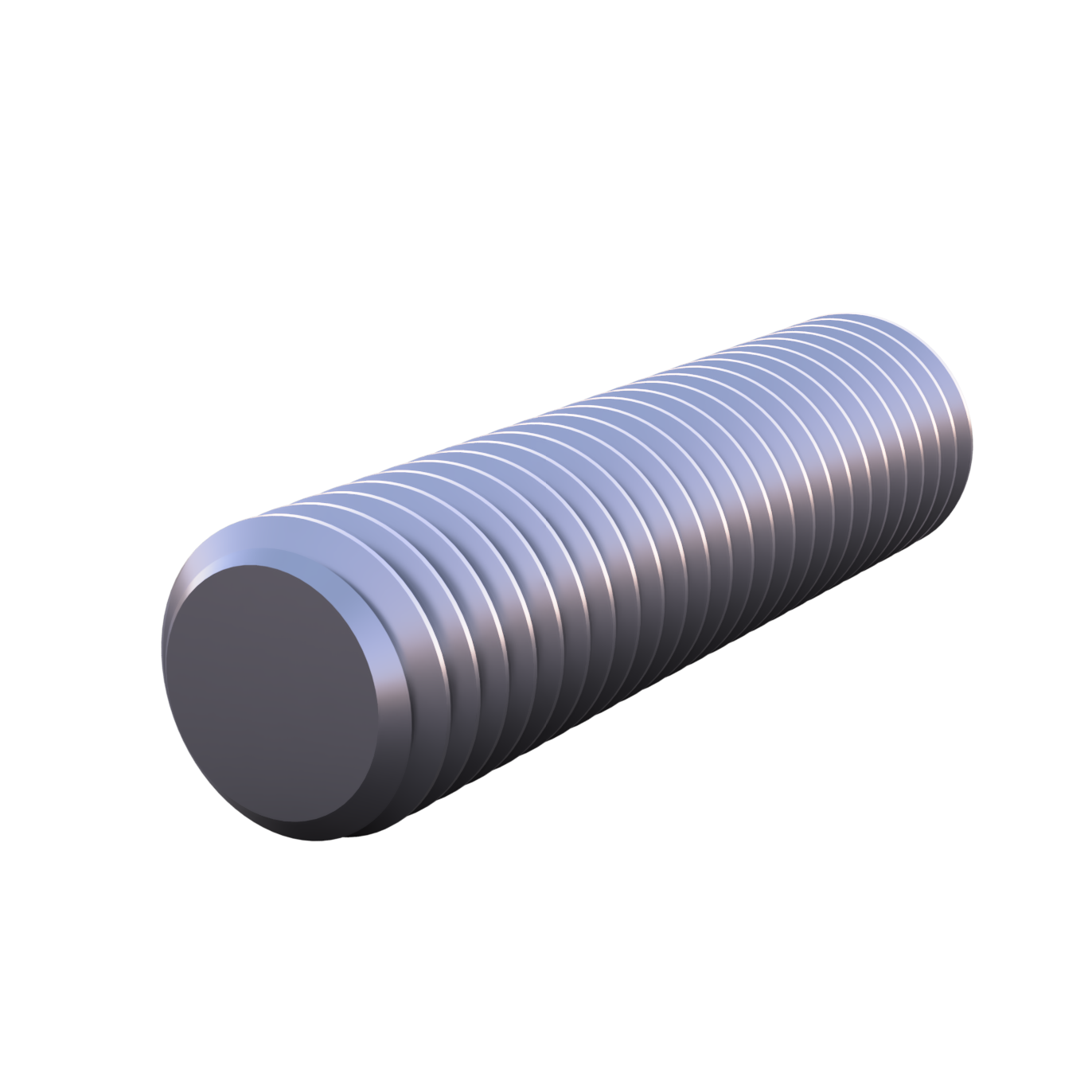
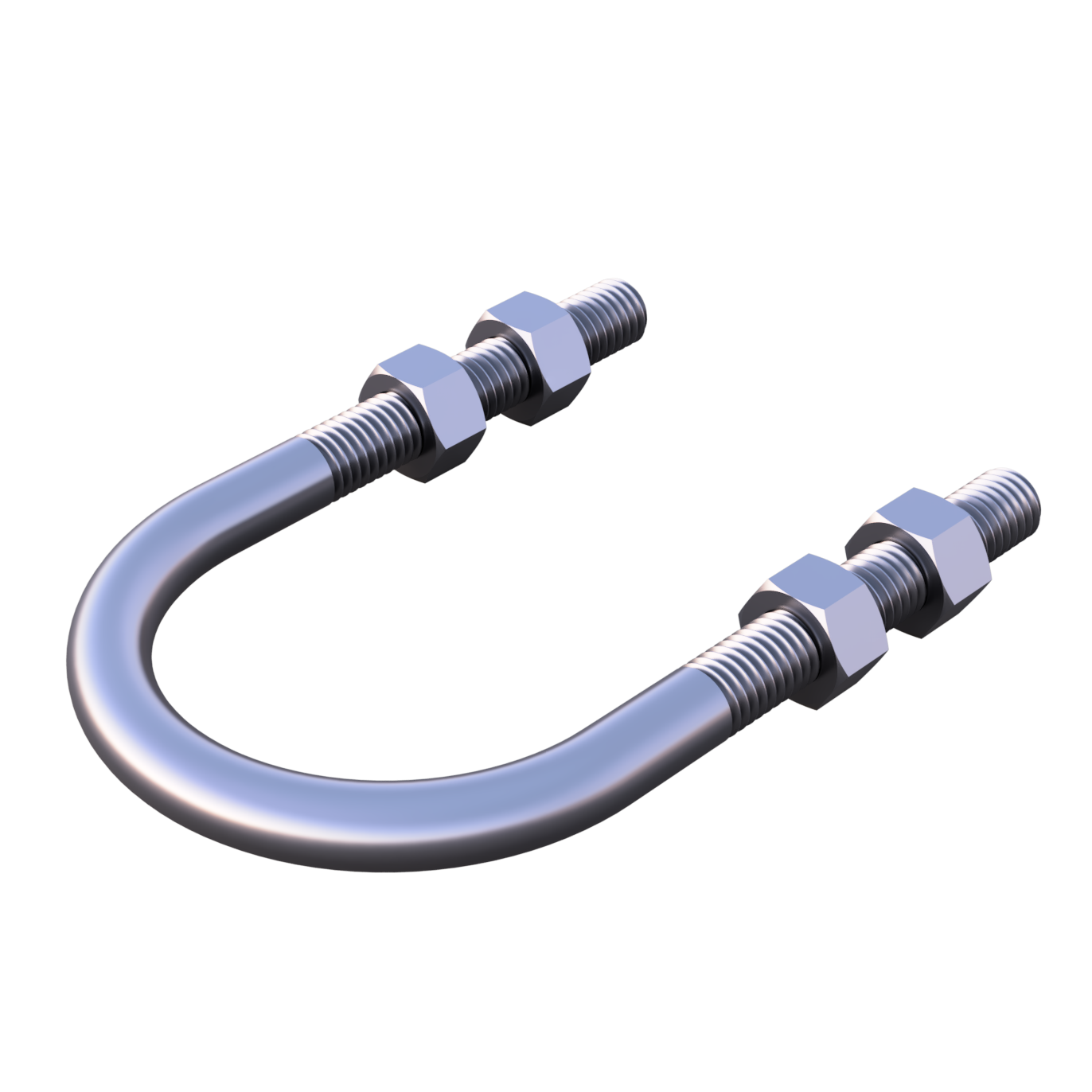
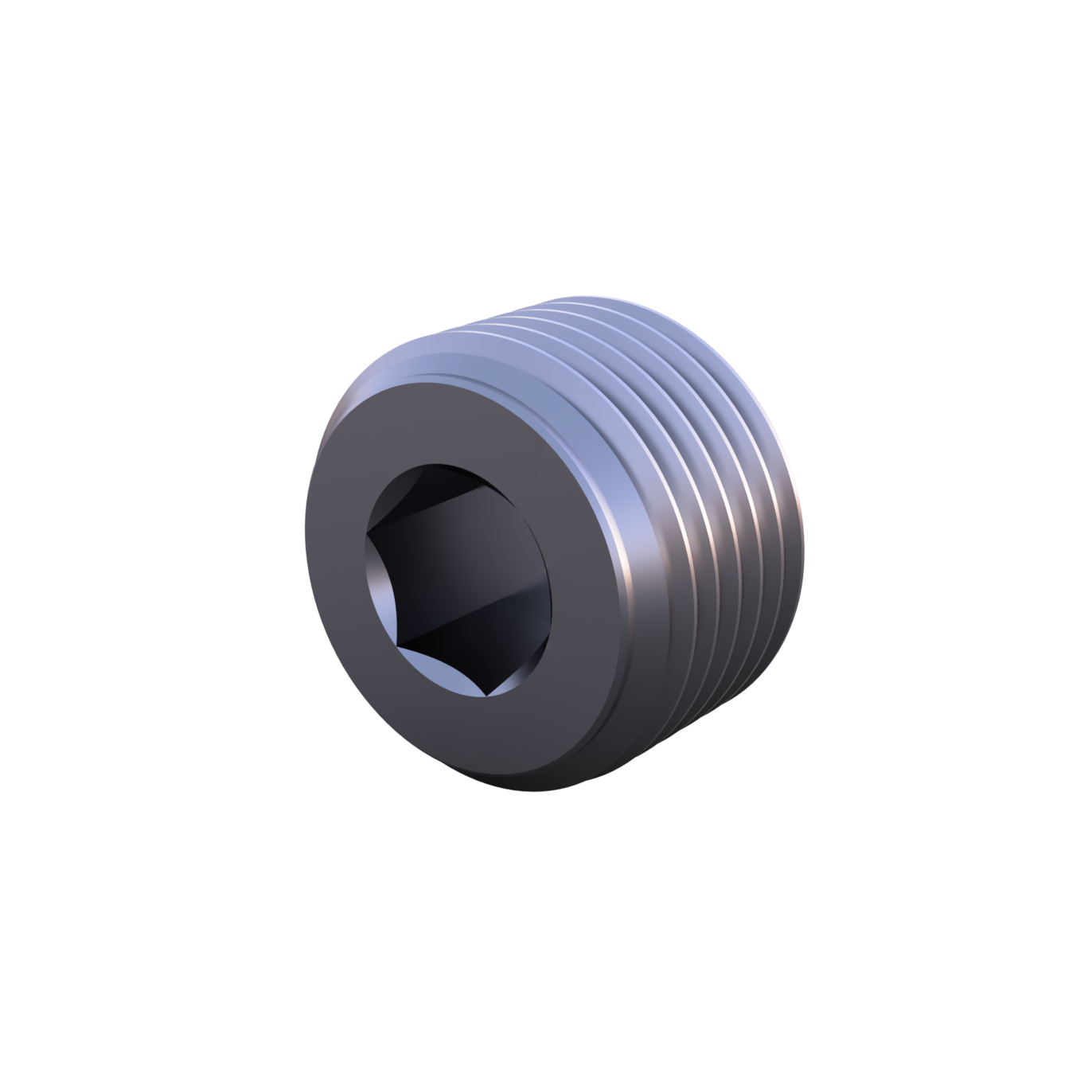
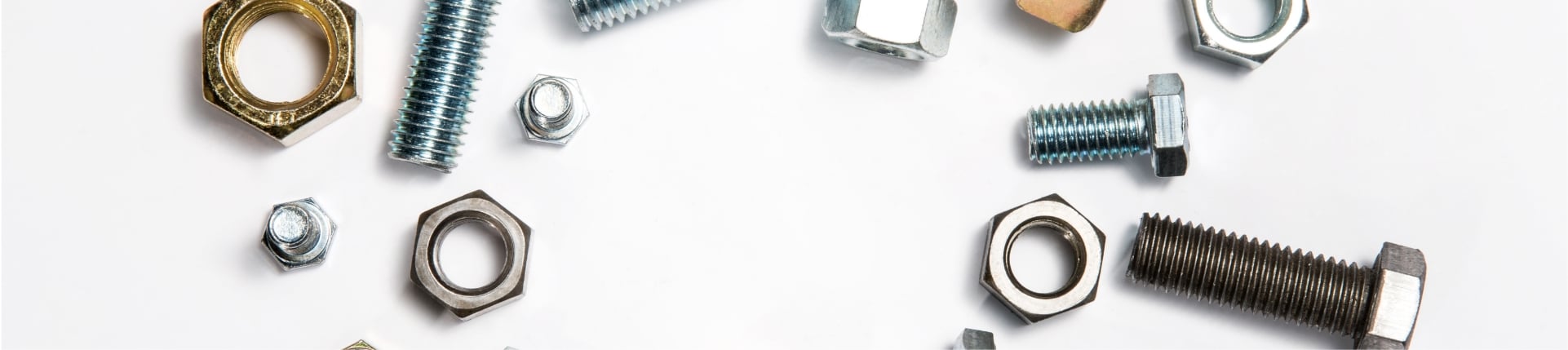
Nickel Systems provides a comprehensive range of Haynes® 556® fasteners. Our offerings include:
We offer full material traceability and conform to rigorous quality standards, supporting both one-off needs and high-volume industrial projects.