

Specifications
- Plate, Sheet & Strip: ASTM B434, ASME SB434
- Rod & Bar: ASTM B573, ASME SB573
- Seamless Pipe & Tube: ASTM B622, ASME SB622
- Welded Pipe & Tube: ASTM B619, ASME SB619
- Fittings: ASTM B366, ASME SB366
- Forgings: ASTM B564, ASME SB564

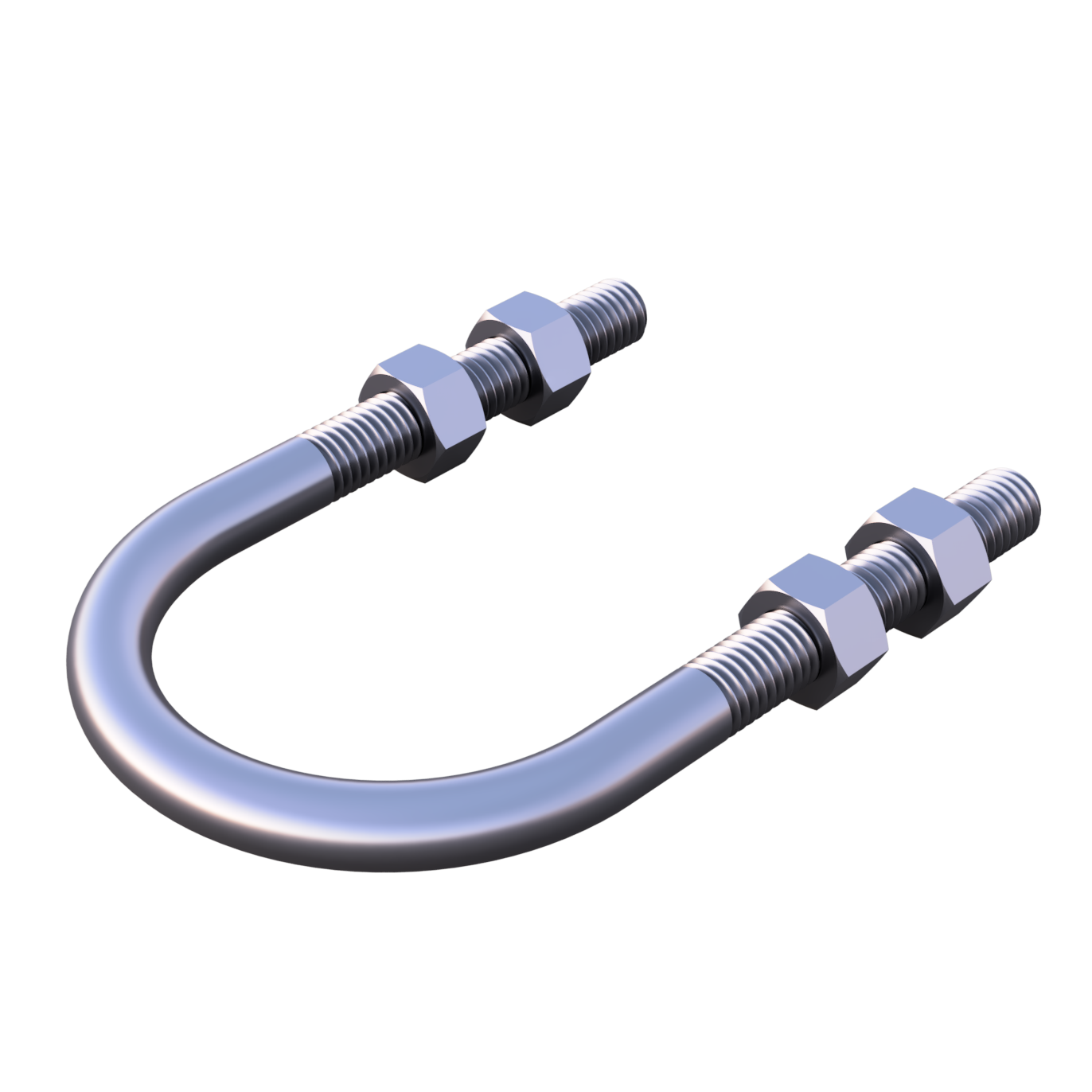
Haynes® 242® is a specialized high nickel alloy known for its exceptional strength and resistance to aggressive chemicals. This material is well-suited to applications involving elevated temperatures, severe mechanical stress or highly corrosive processing environments. Industries ranging from aerospace to petrochemical processing rely on Haynes® 242® fasteners to maintain equipment integrity and performance.
Nickel Systems offers a robust inventory of in-stock Haynes® 242® fasteners. Our knowledgeable team works directly with engineers and procurement professionals to streamline the selection and delivery of fasteners for specialized applications. With deep technical expertise and a strong focus on customer service, we make sourcing high-performance fasteners straightforward, ensuring reliability and peace of mind for your operations.
The following tables summarize the key physical, mechanical and chemical properties of Haynes® 242®. For further technical details, download the complete data sheet.
This technical data is specifically related to Haynes® 242 material produced by Haynes International. Haynes® 242 is a trademark of Haynes International. For more information, visit the Haynes International website. If you require this material, you must request it at the time of quotation.
| Physical Property | Imperial Units | Metric Units | ||
|---|---|---|---|---|
| Density | RT | 0.327 lb/in3 | RT | 9.05 g/cm3 |
| Melting Range | 2350-2510°F | – | 1290-1375°C | – |
| Electrical Resistivity | RT | 48.0 µohm-in | RT | 122.0 µohm-cm |
| 200°F | 48.5 µohm-in | 100°C | 123.4 µohm-cm | |
| 400°F | 49.3 µohm-in | 200°C | 125.1 µohm-cm | |
| 600°F | 50.0 µohm-in | 300°C | 126.7 µohm-cm | |
| 800°F | 50.6 µohm-in | 400°C | 128.0 µohm-cm | |
| 1000°F | 51.1 µohm-in | 500°C | 129.5 µohm-cm | |
| 1200°F | 51.7 µohm-in | 600°C | 130.6 µohm-cm | |
| 1400°F | 52.4 µohm-in | 700°C | 132.0 µohm-cm | |
| 1600°F | 51.3 µohm-in | 800°C | 132.4 µohm-cm | |
| 1800°F | 50.4 µohm-in | 900°C | 129.8 µohm-cm | |
| – | – | 1000°C | 127.6 µohm-cm | |
| Thermal Diffusivity | RT | 4.7 x 10⁻³ in2/s | RT | 30.5 x 10⁻³ cm2/s |
| 200°F | 5.1 x 10⁻³ in2/s | 100°C | 32.9 x 10⁻³ cm2/s | |
| 400°F | 5.6 x 10⁻³ in2/s | 200°C | 35.9 x 10⁻³ cm2/s | |
| 600°F | 6.1 x 10⁻³ in2/s | 300°C | 39.0 x 10⁻³ cm2/s | |
| 800°F | 6.6 x 10⁻³ in2/s | 400°C | 41.9 x 10⁻³ cm2/s | |
| 1000°F | 7.2 x 10⁻³ in2/s | 500°C | 45.0 x 10⁻³ cm2/s | |
| 1200°F | 7.9 x 10⁻³ in2/s | 600°C | 48.1 x 10⁻³ cm2/s | |
| 1400°F | 7.2 x 10⁻³ in2/s | 700°C | 51.2 x 10⁻³ cm2/s | |
| 1600°F | 7.0 x 10⁻³ in2/s | 800°C | 44.2 x 10⁻³ cm2/s | |
| 1800°F | 7.6 x 10⁻³ in2/s | 900°C | 46.6 x 10⁻³ cm2/s | |
| – | – | 1000°C | 49.6 x 10⁻³ cm2/s | |
| Thermal Conductivity | RT | 75.7 Btu-in/ft2-hr-°F | RT | 11.3 W/m-ºC |
| 200°F | 83.6 Btu-in/ft2-hr-°F | 100°C | 12.6 W/m-ºC | |
| 400°F | 96.1 Btu-in/ft2-hr-°F | 200°C | 14.2 W/m-ºC | |
| 600°F | 108.5 Btu-in/ft2-hr-°F | 300°C | 15.9 W/m-ºC | |
| 800°F | 120.9 Btu-in/ft2-hr-°F | 400°C | 17.5 W/m-ºC | |
| 1000°F | 133.3 Btu-in/ft2-hr-°F | 500°C | 19.2 W/m-ºC | |
| 1200°F | 145.7 Btu-in/ft2-hr-°F | 600°C | 20.9 W/m-ºC | |
| 1400°F | 158.2 Btu-in/ft2-hr-°F | 700°C | 22.5 W/m-ºC | |
| 1600°F | 170.6 Btu-in/ft2-hr-°F | 800°C | 24.2 W/m-ºC | |
| 1800°F | 183.0 Btu-in/ft2-hr-°F | 900°C | 25.8 W/m-ºC | |
| – | – | 1000°C | 27.5 W/m-ºC | |
| Specific Heat | RT | 0.092 Btu/lb-°F | RT | 386 J/Kg-ºC |
| 200°F | 0.097 Btu/lb-°F | 100°C | 405 J/Kg-ºC | |
| 400°F | 0.100 Btu/lb-°F | 200°C | 419 J/Kg-ºC | |
| 600°F | 0.103 Btu/lb-°F | 300°C | 431 J/Kg-ºC | |
| 800°F | 0.106 Btu/lb-°F | 400°C | 439 J/Kg-ºC | |
| 1000°F | 0.110 Btu/lb-°F | 500°C | 451 J/Kg-ºC | |
| 1200°F | 0.118 Btu/lb-°F | 600°C | 470 J/Kg-ºC | |
| 1400°F | 0.144 Btu/lb-°F | 700°C | 595 J/Kg-ºC | |
| 1600°F | 0.146 Btu/lb-°F | 800°C | 605 J/Kg-ºC | |
| 1800°F | 0.150 Btu/lb-°F | 900°C | 610 J/Kg-ºC | |
| – | – | 1000°C | 627 J/Kg-ºC | |
| Mean Coefficient of Thermal Expansion | 70-200°F | 6.0 µin/in-°F | 25-100°C | 10.8 µm/m-°C |
| 70-400°F | 6.3 µin/in-°F | 25-200°C | 11.3 µm/m°C | |
| 70-600°F | 6.5 µin/in-°F | 25-300°C | 11.6 µm/m-°C | |
| 70-800°F | 6.7 µin/in-°F | 25-400°C | 11.9 µm/m-°C | |
| 70-1000°F | 6.8 µin/in-°F | 25-500°C | 12.2 µm/m-°C | |
| 70-1100°F | 6.8 µin/in-°F | 25-600°C | 12.3 µm/m-°C | |
| 70-1200°F | 6.9 µin/in-°F | 25-650°C | 12.4 µm/m-°C | |
| 70-1300°F | 7.2 µin/in-°F | 25-700°C | 13.0 µm/m-°C | |
| 70-1400°F | 7.7 µin/in-°F | 25-750°C | 13.7 µm/m-°C | |
| 70-1600°F | 8.0 µin/in-°F | 25-800°C | 14.0 µm/m-°C | |
| 70-1800°F | 8.3 µin/in-°F | 25-900°C | 14.5 µm/m-°C | |
| – | – | 25-1000°C | 15.0 µm/m-°C | |
| Dynamic Modulus of Elasticity | RT | 33.2 x 10⁶ psi | RT | 229 GPa |
| 200°F | 32.7 x 10⁶ psi | 100°C | 225 GPa | |
| 400°F | 31.8 x 10⁶ psi | 200°C | 219 GPa | |
| 600°F | 30.8 x 10⁶ psi | 300°C | 213 GPa | |
| 800°F | 29.7 x 10⁶ psi | 400°C | 206 GPa | |
| 1000°F | 28.6 x 10⁶ psi | 500°C | 199 GPa | |
| 1200°F | 27.6 x 10⁶ psi | 600°C | 193 GPa | |
| 1400°F | 25.7 x 10⁶ psi | 700°C | 185 GPa | |
| 1600°F | 24.0 x 10⁶ psi | 800°C | 172 GPa | |
| 1800°F | 22.4 x 10⁶ psi | 900°C | 163 GPa | |
| – | – | 1000°C | 152 GPa | |
RT= Room Temperature
| Test Temperature | 0.2% Yield Strength | Ultimate Tensile Strength | Elongation | Reduction in Area | |||
|---|---|---|---|---|---|---|---|
| °F | °C | ksi | MPa | ksi | MPa | % | % |
| RT | RT | 122.4 | 845 | 187.4 | 1290 | 33.7 | 45.7 |
| 200 | 93 | 110.4 | 760 | 180.7 | 1245 | 31.7 | 47 |
| 400 | 204 | 102.3 | 705 | 173.5 | 1195 | 33 | 51.8 |
| 600 | 316 | 96.5 | 665 | 168.6 | 1160 | 33.4 | 48.4 |
| 800 | 427 | 86.3 | 595 | 161.3 | 1110 | 37.6 | 45.9 |
| 1000 | 538 | 78.3 | 540 | 156.3 | 1080 | 38.3 | 49.9 |
| 1200 | 649 | 82.7 | 570 | 144.9 | 1000 | 33.2 | 41.1 |
| 1400 | 760 | 44.9 | 310 | 106.2 | 730 | 44.3 | 54.1 |
| 1600 | 871 | 44.8 | 310 | 72.5 | 500 | 49.7 | 85.1 |
| 1800 | 982 | 30.6 | 210 | 42 | 290 | 54 | 97.8 |
*RT= Room Temperature
| Test Temperature | Yield Strength 0.2% Offset | Ultimate Tensile Strength | Elongation | Reduction in Area | |||
|---|---|---|---|---|---|---|---|
| °F | °C | ksi | MPa | ksi | MPa | % | % |
| RT | RT | 126 | 868 | 193 | 1330 | 36 | – |
| 400 | 204 | 101 | 696 | 176 | 1213 | 43 | 52 |
| 800 | 427 | 91 | 627 | 165 | 1137 | 45 | 52 |
| 1000 | 538 | 89 | 613 | 164 | 1130 | 44 | 51 |
| 1100 | 593 | 89 | 613 | 160 | 1102 | 44 | 51 |
| 1200 | 649 | 87 | 599 | 141 | 971 | 29 | 31 |
| 1300 | 704 | 73 | 503 | 118 | 813 | 28 | 30 |
| 1400 | 760 | 48 | 331 | 94 | 648 | 93 | 71 |
| Test Temperature | Yield Strength 0.2% Offset | Ultimate Tensile Strength | Elongation | |||
|---|---|---|---|---|---|---|
| °F | °C | ksi | MPa | ksi | MPa | % |
| RT | RT | 120 | 827 | 187 | 1288 | 38 |
| 1000 | 538 | 106 | 730 | 165 | 1137 | 31 |
| 1100 | 593 | 102 | 703 | 150 | 1034 | 18 |
| 1200 | 649 | 96 | 661 | 135 | 930 | 14 |
| 1300 | 704 | 83 | 572 | 109 | 751 | 10 |
| 1400 | 760 | 57 | 393 | 92 | 634 | 98 |
(a)Average of two tests per heat, two heats of each product form.
Solution Annealed + Aged 1200°F-48 hr.
| Test Temperature | 0.2% Yield Strength | Ultimate Tensile Strength | Elongation | ||||
|---|---|---|---|---|---|---|---|
| – | °F | °C | ksi | MPa | ksi | MPa | % |
| M.A. | RT | RT | 65.3 | 450 | 137.6 | 950 | 47 |
| M.A. + 20% C.W. | RT | RT | 139.5 | 960 | 169.6 | 1170 | 20 |
| M.A. + 40% C.W. | RT | RT | 181.3 | 1250 | 217.9 | 1500 | 8 |
| M.A. + Age | RT | RT | 130 | 895 | 192 | 1325 | 32 |
| M.A. + 20% C.W. + Age | RT | RT | 173 | 1195 | 209.5 | 1445 | 21 |
| M.A. + 40% C.W. + Age | RT | RT | 219.7 | 1515 | 244.7 | 1685 | 11 |
| M.A. + 40% C.W. + Age | 1100 | 595 | 191.4 | 1320 | 201.9 | 1390 | 11 |
| M.A. + 40% C.W. + Age | 1200 | 649 | 145.9 | 1005 | 198.7 | 1370 | 8 |
| M.A. + 40% C.W. + Age | 1300 | 705 | 134.3 | 925 | 183.7 | 1265 | 11 |
| M.A. + 40% C.W. + Age | 1400 | 760 | 94.1 | 650 | 156 | 1075 | 32 |
RT= Room Temperature
M.A.= Solution Anneal
C.W. = Cold Work
Age = Standard aging treatment
The following compares the mean coefficient of expansion for several alloys:
| Alloy | Mean Coefficient of Expansion from RT to Temperature | |||||||||
|---|---|---|---|---|---|---|---|---|---|---|
| 1000°F | 538°C | 1100°F | 593°C | 1200°F | 649°C | 1300°F | 704°C | 1400°F | 760°C | |
| in./in/- °F x10-6 | mm/mm- °C x10-6 | in./in/- °F x10-6 | mm/mm- °C x10-6 | in./in/- °F x10-6 | mm/mm- °C x10-6 | in./in/- °F x10-6 | mm/mm- °C x10-6 | in./in/- °F x10-6 | mm/mm- °C x10-6 | |
| 909 | 5.0 | 9.0 | 5.4 | 9.7 | 5.8 | 10.4 | 6.2 | 11.2 | 6.6 | 11.9 |
| 242® | 6.8 | 12.2 | 6.8 | 12.3 | 7.0 | 12.6 | 7.2 | 13.0 | 7.7 | 13.9 |
| B | 6.7 | 12 | 6.7 | 12.0 | 6.7 | 12.0 | 6.9 | 12.4 | 7.1 | 12.8 |
| N | 7.3 | 13.1 | 7.4 | 13.3 | 7.5 | 13.5 | 7.6 | 13.7 | 7.8 | 14.0 |
| S | 7.4 | 13.2 | 7.5 | 13.5 | 7.6 | 13.7 | 7.8 | 14.0 | 8.0 | 14.4 |
| X | 8.4 | 15.1 | 8.5 | 15.3 | 8.6 | 15.5 | 8.6 | 15.7 | 8.8 | 15.8 |
| Temperature | Creep | Approximate Initial Stress to Produce Specified Creep in | ||||||||
|---|---|---|---|---|---|---|---|---|---|---|
| 10 Hours | 100 Hours | 1,000 Hours | 10,000 Hours | |||||||
| °F | °C | % | ksi | MPa | ksi | MPa | ksi | MPa | ksi | MPa |
| 1000 | 538 | 0.5 | – | – | – | – | – | – | – | – |
| 1 | – | – | – | – | – | – | – | – | ||
| R | 153 | 1055 | 138 | 952 | 122 | 841 | 109 | 752 | ||
| 1100 | 593 | 0.5 | – | – | – | – | – | – | 75 | 517 |
| 1 | – | – | – | – | – | – | 79 | 545 | ||
| R | 126 | 869 | 112 | 772 | 100 | 690 | 85 | 586 | ||
| 1200 | 649 | 0.5 | – | – | 82 | 565 | 62 | 427 | 38 | 262 |
| 1 | – | – | 85 | 586 | 66 | 455 | 42 | 290 | ||
| R | 105* | 724* | 91 | 627 | 75 | 517 | 48 | 331 | ||
| 1300 | 704 | 0.5 | 72 | 496 | 48 | 331 | 33 | 228 | 13* | 90* |
| 1 | 75 | 517 | 53 | 365 | 37 | 255 | 17* | 117* | ||
| R | 87* | 600* | 66 | 455 | 44 | 303 | 25 | 172 | ||
| 1400 | 760 | 0.5 | 24 | 165 | 12 | 83 | – | – | – | – |
| 1 | 27 | 186 | 15 | 103 | 8 | 55 | – | – | ||
| R | 46 | 317 | 29 | 200 | 18 | 124 | – | – | ||
*Significant extrapolation
| Temperature | Creep | Approximate Initial Stress to Produce Specified Creep in | ||||||
|---|---|---|---|---|---|---|---|---|
| 10 Hours | 100 Hours | 1,000 Hours | ||||||
| °F | °C | % | ksi | MPa | ksi | MPa | ksi | MPa |
| 1000 | 538 | 0.5 | – | – | – | – | – | – |
| 1 | – | – | – | – | – | – | ||
| R | – | – | 133 | 917 | 125 | 862 | ||
| 1100 | 593 | 0.5 | – | – | – | – | 97 | 669 |
| 1 | – | – | – | – | 102 | 703 | ||
| R | – | – | 117 | 807 | 110 | 758 | ||
| 1200 | 649 | 0.5 | – | – | 79 | 545 | 58 | 400 |
| 1 | – | – | 82 | 565 | 62 | 427 | ||
| R | 110* | 758* | 90 | 621 | 69 | 476 | ||
| 1300 | 704 | 0.5 | 59 | 407 | 44 | 303 | 33 | 228 |
| 1 | 64 | 441 | 47 | 324 | 35 | 241 | ||
| R | 80 | 552 | 57 | 393 | 41 | 283 | ||
| 1400 | 760 | 0.5 | 21 | 145 | 12* | 83* | – | – |
| 1 | 24 | 165 | 14 | 97 | – | – | ||
| R | 41 | 283 | 25 | 172 | 15 | 103 | ||
| Product Form | Condition | Test Temperature | Impact Strength | ||
|---|---|---|---|---|---|
| °F | °C | ft-lbf | J | ||
| Plate | Solution Annealed | RT | RT | 198 | 268 |
| Plate | Solution Annealed | -320 | -196 | 150 | 203 |
| Bar | Solution Annealed | RT | RT | 401 | 544 |
| Bar | Solution Annealed | -320 | -196 | 343 | 465 |
| Plate | Age Hardened* | RT | RT | 91 | 123 |
| Ring | Annealed + Age Hardened* | RT | RT | 51 | 69 |
*Aged hardened: 1200°F (649°C) / 24 h / Air Cool
| Exposure Time | 0.2% Yield Strength | Ultimate Tensile Strength | Elongation | Reduction of Area | Charpy V-Notch | |||
|---|---|---|---|---|---|---|---|---|
| hours | ksi | MPa | ksi | MPa | % | % | ft.-lbs. | J |
| 0 | 110 | 758 | 179 | 1234 | 39 | 44 | 66 | 89 |
| 1000 | 119 | 820 | 194 | 1338 | 28 | 38 | 41 | 56 |
| 4000 | 122 | 841 | 196 | 1351 | 25 | 37 | 31 | 42 |
| 8000 | 121 | 834 | 193 | 1331 | 24 | 39 | 26 | 35 |
*Samples age hardened 1200°F (649°C) 24 h. Duplicate tests.
| Alloy | Metal Loss | Average Metal Affected | ||
|---|---|---|---|---|
| – | mils | µm | mils | µm |
| 242® | 0 | 0 | 0.5 | 13 |
| S | 0 | 0 | 0.5 | 13 |
| X | 0.1 | 3 | 1.1 | 28 |
| N | 0.4 | 10 | 1.2 | 30 |
| B | 7.2 | 183 | 8.2 | 208 |
| 909 | 4.4 | 112 | 19.4 | 493 |
*Coupons exposed to flowing air at a velocity of 7.0 feet/minute (2.1m/minute) past the samples. Samples cycled to room temperature once-a-day.
| Alloy | 800°F (427°C) | 1000°F (538°C) | 1200°F (649°C) | |||||||||
|---|---|---|---|---|---|---|---|---|---|---|---|---|
| Metal Loss | Average Metal Affected | Metal Loss | Average Metal Affected | Metal Loss | Average Metal Affected | |||||||
| mils | μm | mils | μm | mils | μm | mils | μm | mils | μm | mils | μm | |
| 718 | 0 | 0 | 0 | 0 | 0 | 0 | 0.1 | 3 | 0 | 0 | 0.2 | 5 |
| 242® | 0 | 0 | 0 | 0 | 0 | 0 | 0.1 | 3 | 0 | 0 | 0.3 | 8 |
| 263 | 0 | 0 | 0 | 0 | 0 | 0 | 0.1 | 3 | 0 | 0 | 0.3 | 8 |
** Coupons exposed to flowing air at a velocity of 7.0 feet/minute (2.1m/minute) past the samples. Samples cycled to room temperature once every two months.
Comparative Burner Rig Oxidation-Resistance at 1400°F (760°C) for 500 Hours***
| Alloy | Metal Loss | Average Metal Affected | ||
|---|---|---|---|---|
| mils | µm | mils | µm | |
| N | 0.7 | 18 | 0.8 | 20 |
| 242® | 1.1 | 28 | 1.2 | 30 |
| B | 1.8 | 46 | 2.6 | 66 |
| 909 | 0.3 | 8 | 10.8 | 275 |
***Burner rig oxidation tests were conducted by exposing samples 3/8 inch x 2.5 inches x thickness (9mm x 64mm x thickness), in a rotating holder, to the products of combustion of No. 2 fuel oil burned at a ratio of air to fuel of about 50:1. (Gas velocity was about 0.3 mach). Samples were automatically removed from the gas stream every 30 minutes and fan-cooled to near ambient temperature and then reinserted into the flame tunnel.
| Alloy | Thickness Loss | |
|---|---|---|
| mils | mm | |
| 242® | 12.6 | 0.3 |
| S | 15.8 | 0.4 |
| N | 15.8 | 0.4 |
| 625 | 47.2 | 1.2 |
| 230® | 70.9 | 1.8 |
| C-22® | 78.7 | 2 |
| 600 | 141.7 | 3.6 |
| Alloy | Corrosion Rate | |
|---|---|---|
| mils / 24 h | µm / 24 h | |
| 242® | 0.5 | 13 |
| N | 0.6 | 15 |
| C-276 | 0.9 | 23 |
*Flux consisted of boric acid, boron elemental, potassium fluoride, potassium tetraborate tetrahydrate, potassium fluoborate, potassium hydrogen difluoride, and potassium pentaborate.
| Alloy | Nitrogen Absorption (mg/cm2) |
|---|---|
| 214® | 0.3 |
| 242® | 0.7 |
| 600 | 0.9 |
| 230® | 1.4 |
| X | 3.2 |
| 800H | 4.0 |
| 316 SS | 6.0 |
| 304 SS | 7.3 |
| 310 SS | 7.7 |
| Alloy | Metal Loss | Maximum Metal Affected | ||
|---|---|---|---|---|
| mils | µm | mils | µm | |
| S | 0.1 | 2.5 | 0.2 | 5.1 |
| 242® | 0.15 | 3.8 | 0.3 | 7.6 |
| B | 0.2 | 5.1 | 0.3 | 7.6 |
| 909 | 0.4 | 10.2 | 0.2 | 30.5 |
*Tests were performed by heating specimens to 300°F (150°C), spraying with a simulated seawater solution, cooling and storing at room temperature for a week, heating to 1200°F (650°C) for 20 hours in still air; cooling to room temperature, heating and spraying again at 300°F (150°C), and storing at room temperature for a week.
| Corrosive Media | Temperature | Exposure | Corrosion Rate, Mils/year (mm/year) | ||||||||
|---|---|---|---|---|---|---|---|---|---|---|---|
| 242® | B-2 | C-22® | N | ||||||||
| – | °F | °C | h | mils | mm | mils | mm | mils | mm | mils | mm |
| 5% HF | 175 | 79 | 24 | 14 | 0.36 | 12 | 0.3 | 25 | 0.64 | 20 | 0.51 |
| 48% HF | 175 | 79 | 24 | 32 | 0.81 | 25 | 0.64 | 27 | 0.69 | 31 | 0.79 |
| 70% HF | 125 | 52 | 24 | 35 | 0.89 | 66 | 1.68 | 32 | 0.81 | 48 | 1.22 |
| 10% HC | Boiling | 24 | 22 | 0.56 | 7 | 0.18 | 400 | 10.16 | 204 | 5.18 | |
| 20% HCl | Boiling | 24 | 41 | 1.04 | 15 | 0.38 | 380 | 9.65 | – | – | |
| 55% H3PO4 | Boiling | 24 | 3 | 0.08 | 4 | 0.1 | 9 | 0.23 | – | – | |
| 85% H3PO4 | Boiling | 24 | 4 | 0.1 | 4 | 0.1 | 120 | 3.05 | – | – | |
| 10% H2SO4 | Boiling | 24 | 2 | 0.05 | 2 | 0.05 | 11 | 0.28 | 46 | 1.17 | |
| 50% H2SO4 | Boiling | 24 | 5 | 0.13 | 1 | 0.03 | 390 | 9.91 | – | – | |
| 99% ACETIC | Boiling | 24 | <1 | <0.03 | 1 | 0.03 | – | Nil | – | – | |
Haynes® 242® offers a unique combination of high-temperature strength, oxidation resistance and low thermal expansion. These characteristics ensure consistent performance in critical systems where mechanical stability and thermal reliability are essential.
Haynes® 242® alloy (UNS N10242) is an age-hardened nickel-molybdenum chromium alloy that derives strength from a long-range ordering reaction upon aging. It has tensile and creep strength properties up to 1300°F (705°C), which are as much as double those for solid solution strengthened alloys, but with high ductility in the aged condition.
The thermal expansion characteristics of Haynes® 242® alloy are much lower than those for most other alloys, and it has excellent oxidation resistance up to 1500°F (815°C). Other attractive features include excellent low-cycle fatigue properties, outstanding thermal stability and resistance to high-temperature fluorine and fluoride environments.
This alloy is also known as:
This material is composed of the following elements:
This chemical profile is according to ASTM specifications for UNS N10242. If your application requires alternate chemistries or proprietary variants, please include those details when requesting a quote.
Haynes® 242® fasteners are essential in numerous high-performance industrial applications, supporting the integrity and efficiency of static and dynamic systems operating under intense thermal and chemical exposure:
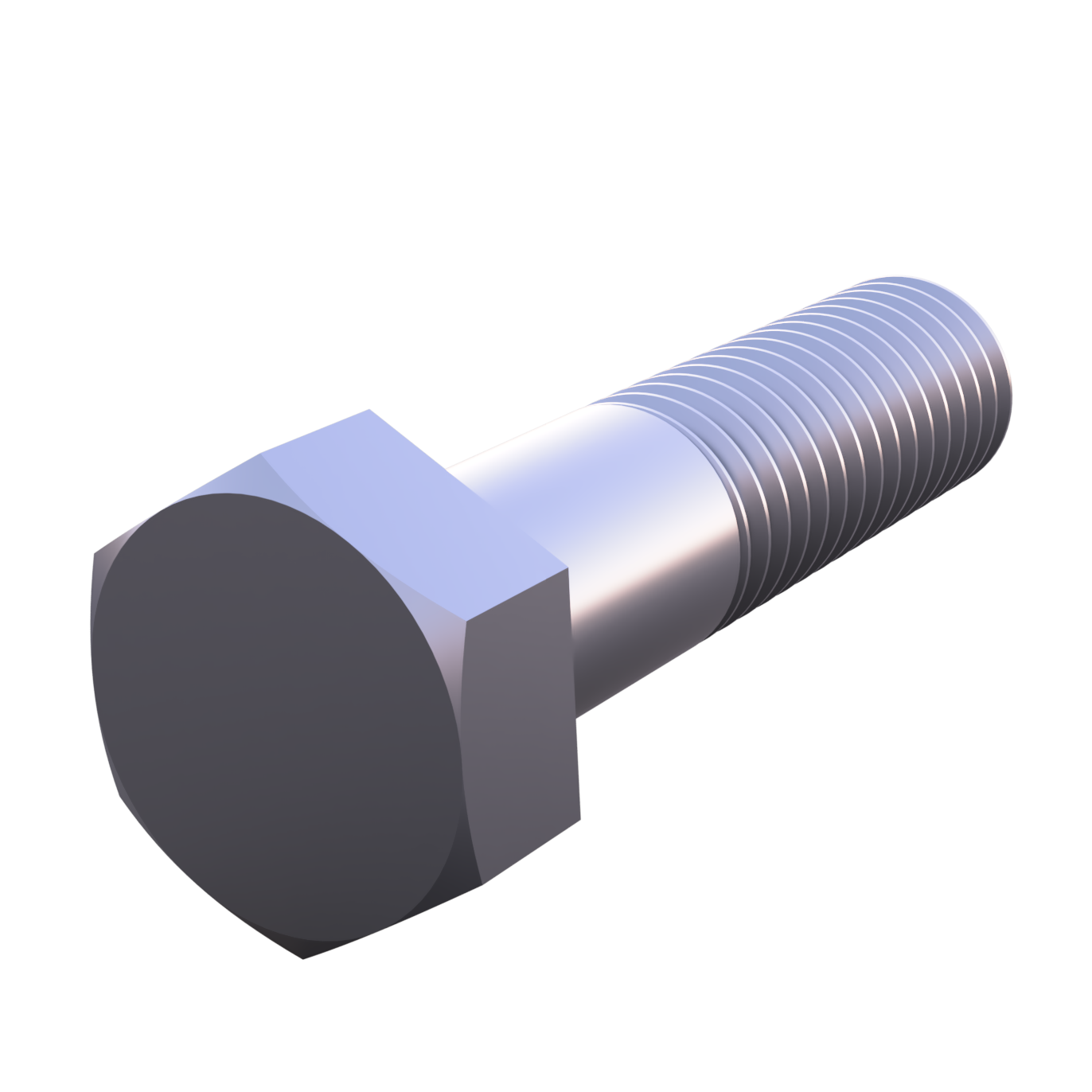
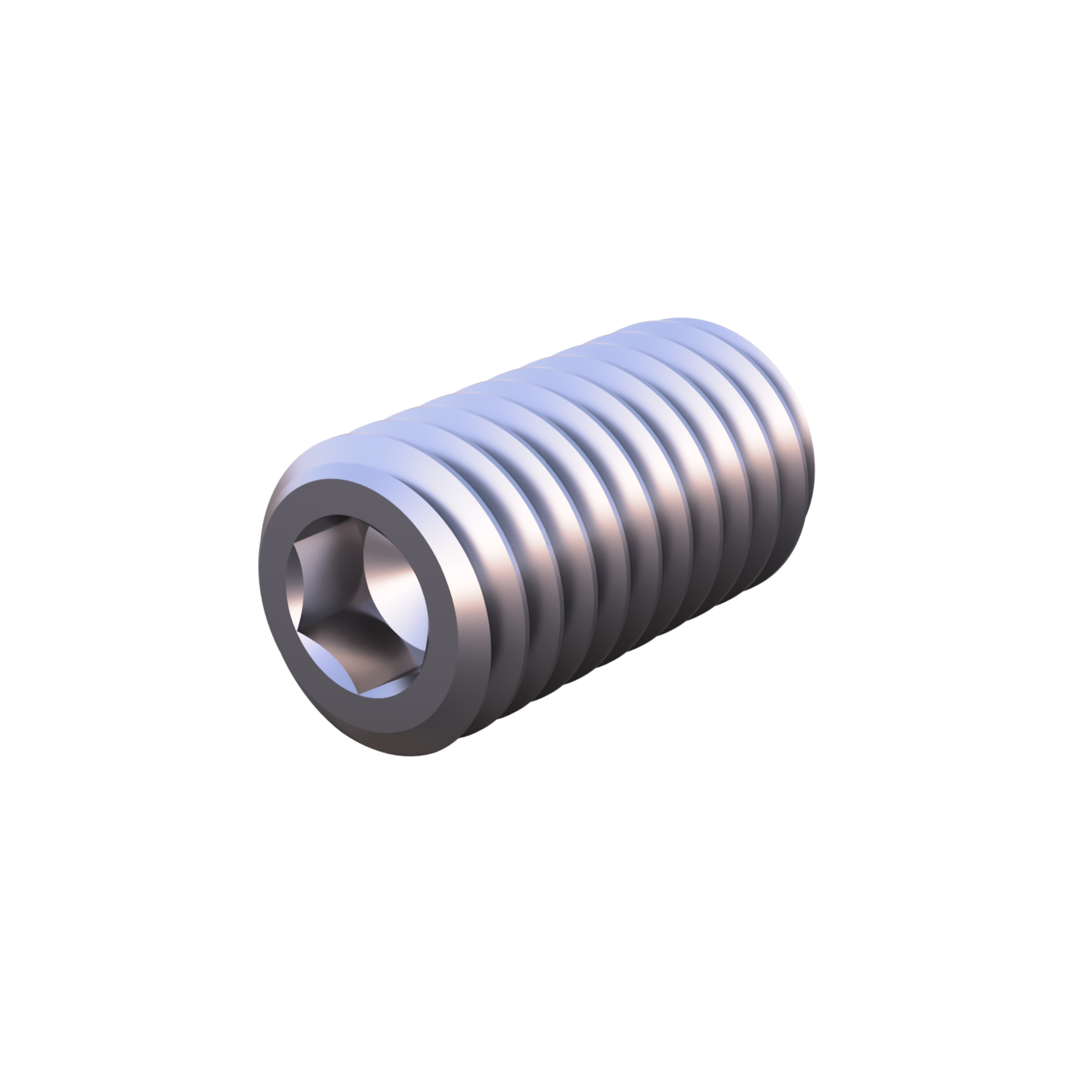
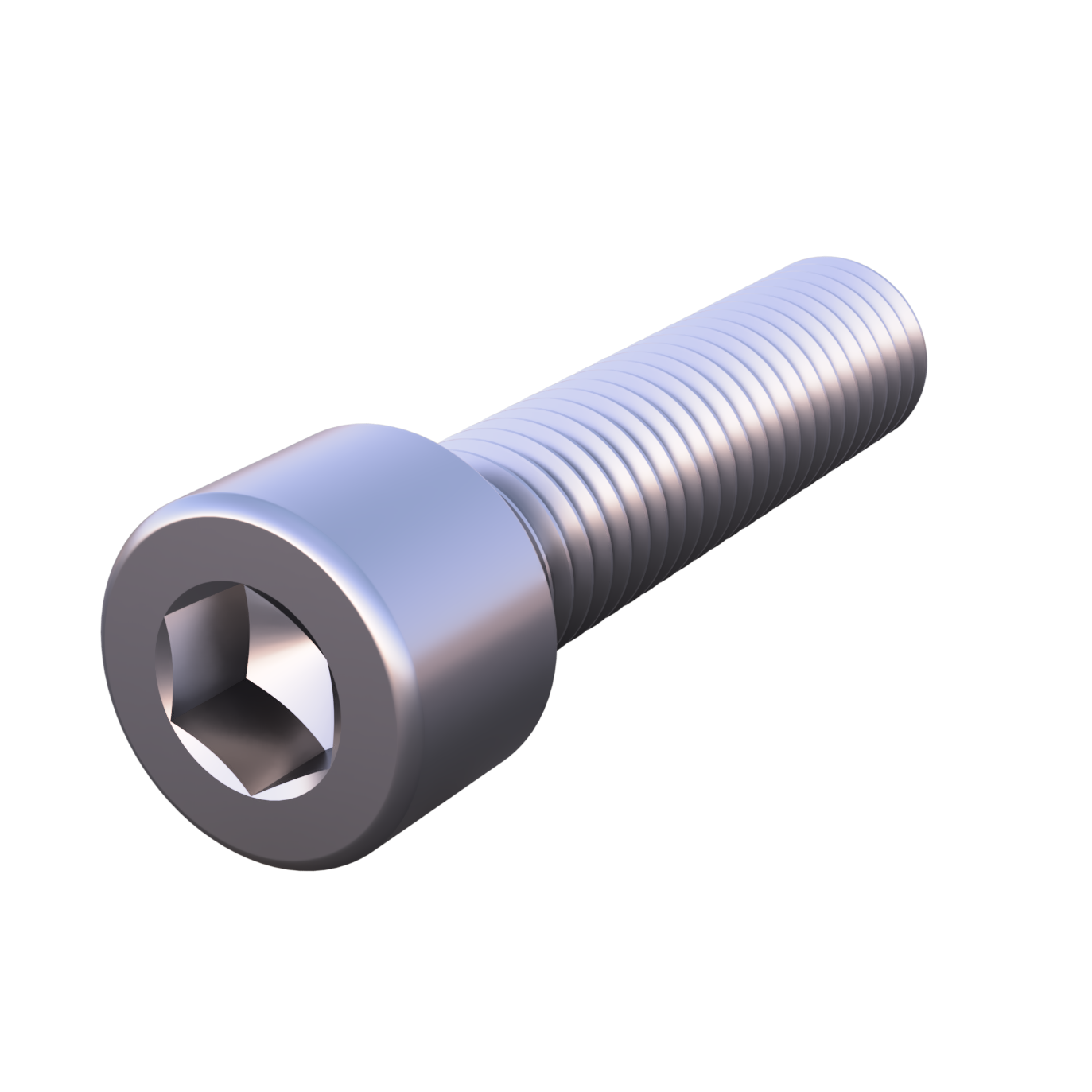
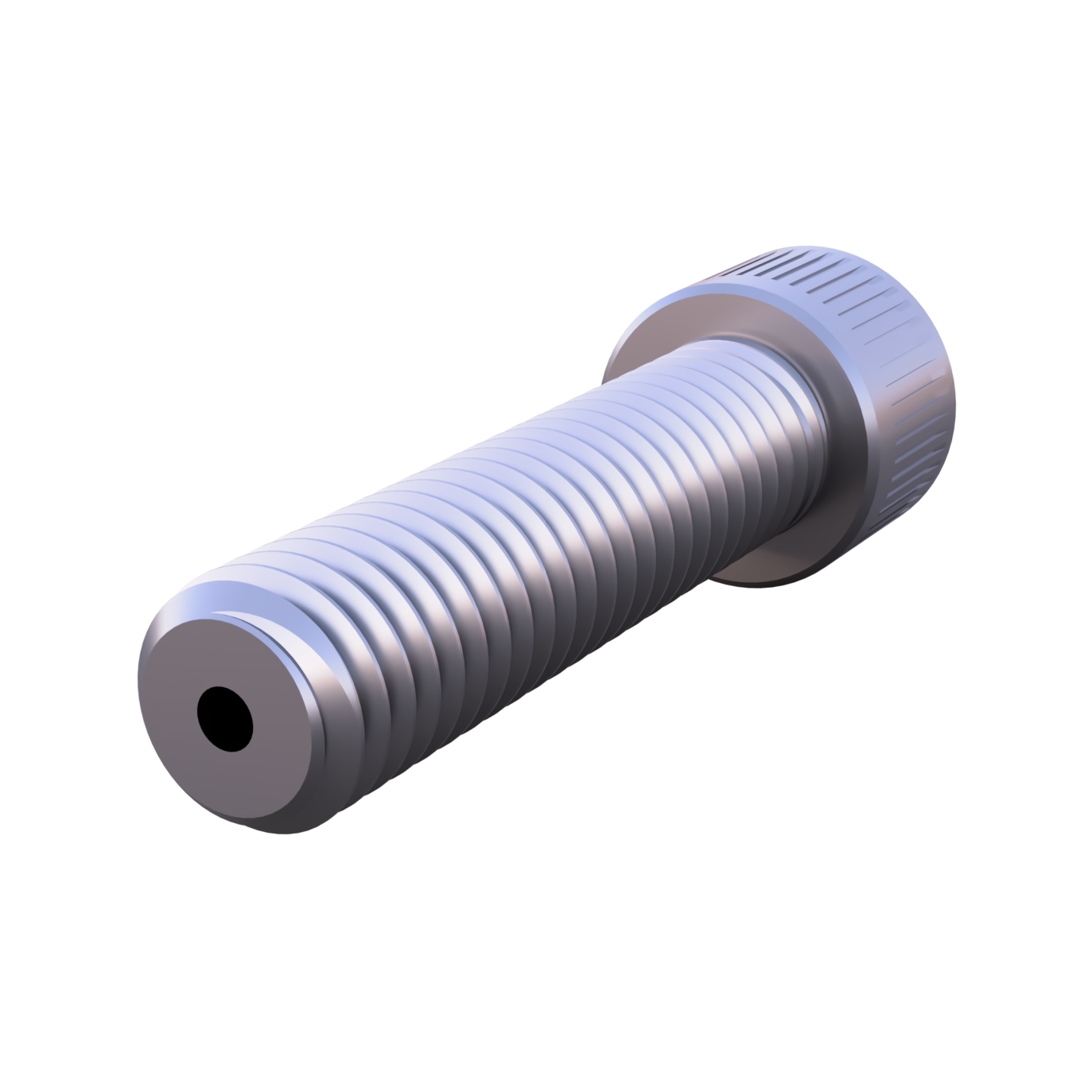
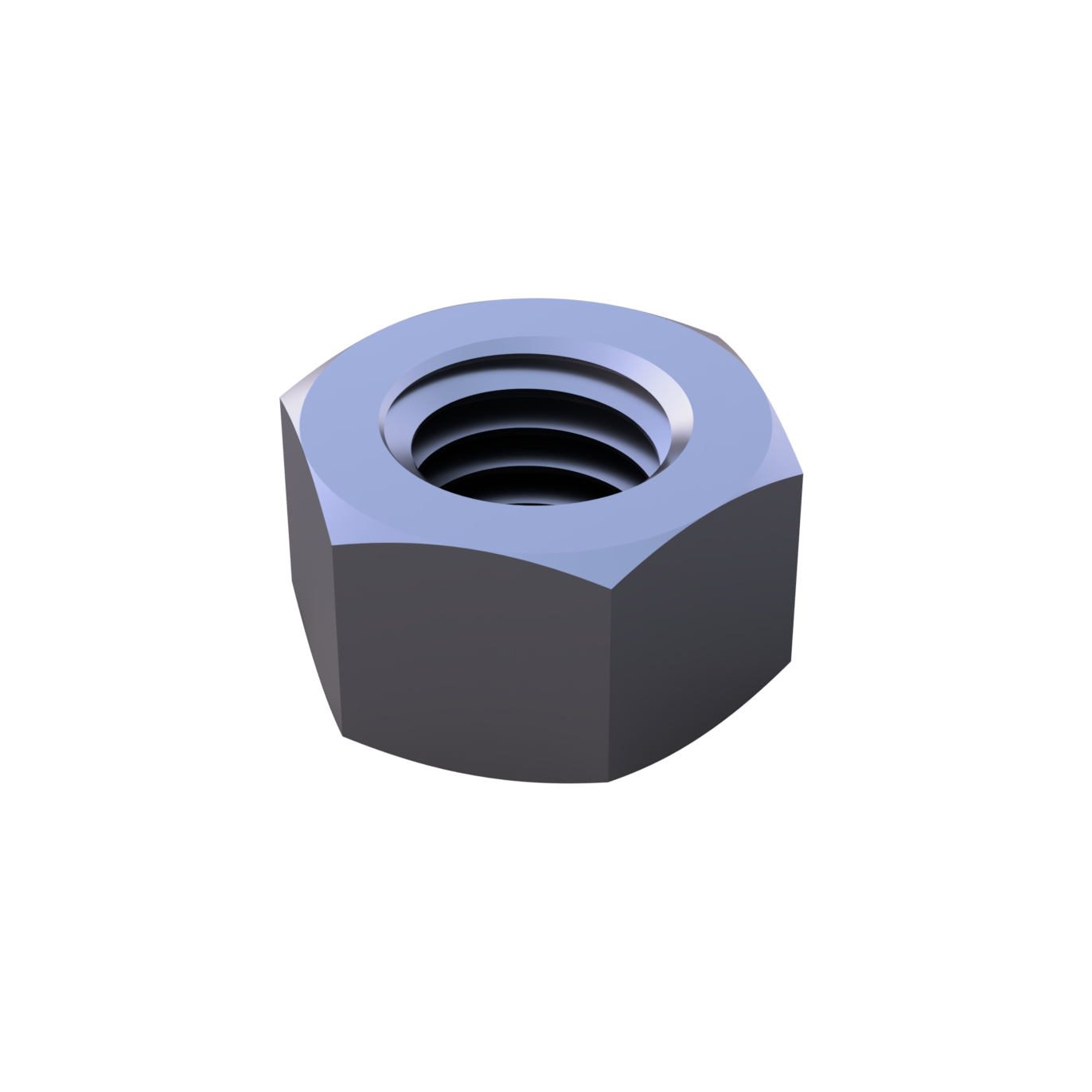
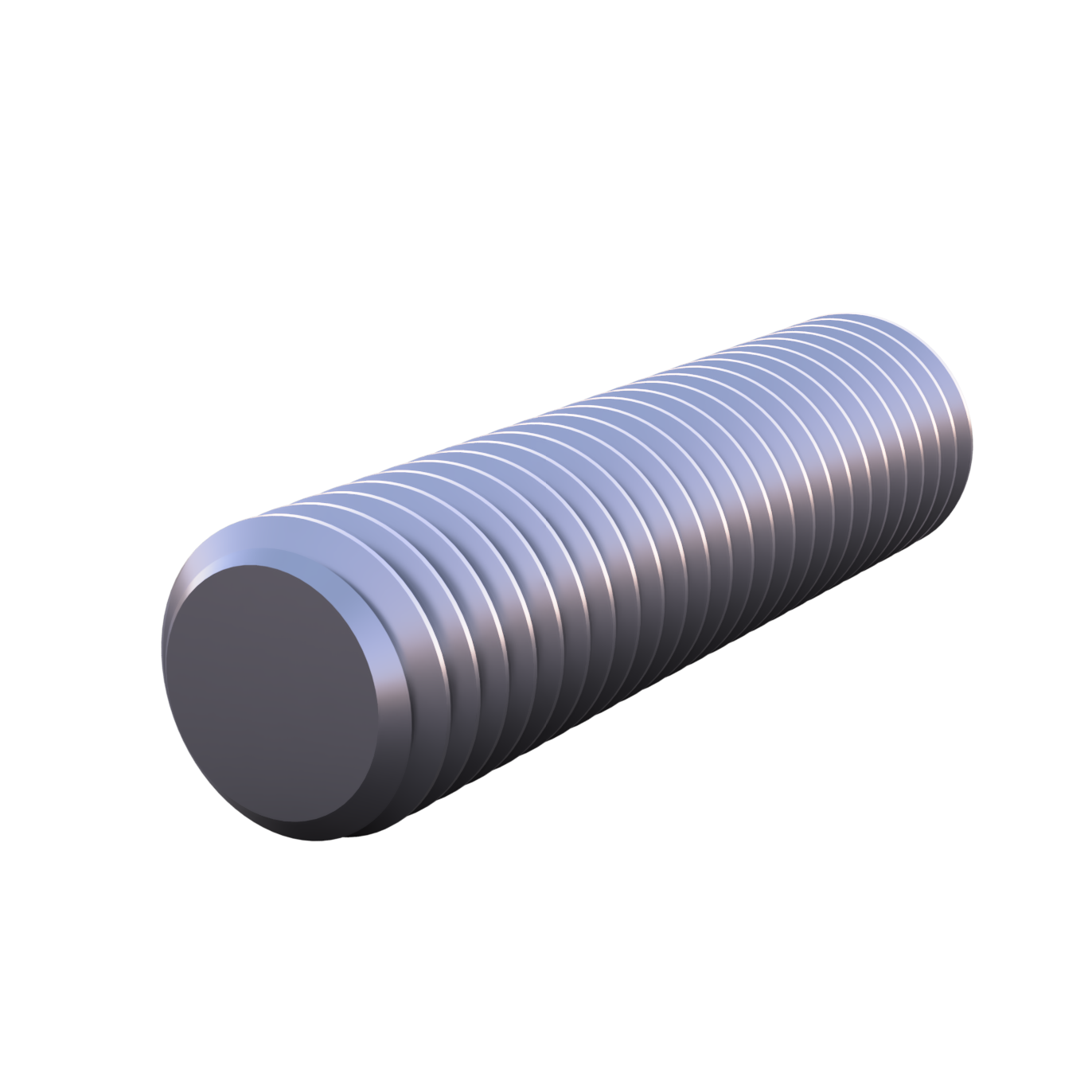
Nickel Systems provides a comprehensive range of Haynes® 242® fasteners. Our offerings include:
We offer full material traceability and conform to rigorous quality standards, supporting both one-off needs and high-volume industrial projects.