a bunch of metal rings are stacked on top of each other

Haynes® 556

Haynes® 556

Nickel (Ni) - 20
Chromium (Cr) - 22
Molybdenum (Mo) - 3 Max
Iron (Fe) - 31 Balance
Tungsten (W) - 2.5 Max
Manganese (Mn) - 1 Max
Cobalt (Co) - 18 Max
Other

Key

Nickel
Copper
Chromium
Aluminum
Molybdenum
Iron
Titanium
Manganese
Cobalt
Other
  • Nickel (Ni) 20
  • Chromium (Cr) 22
  • Aluminum Al .2 Max
  • Molybdenum (Mo) 3 Max
  • Iron (Fe) 31 Balance
  • Tungsten (W) 2.5
  • Manganese (Mn) 1 Max
  • Cobalt (Co) 18 Max
  • Carbon (C) -0.9 Max
  • Silicon (Si) .4 Max
  • Boron (B) .02 Max
  • Tantalum .6 Max
  • Niobium (Nb) .3 Max
  • Lanthanum (La) .02 Nominal
  • Zirconium (Zr) .02 Nominal

UNS Haynes® 556® (UNS R30556)

HAYNES® 556® is an iron–nickel–chromium–cobalt alloy designed for high-heat, corrosive-duty service. It delivers solid strength at elevated temperatures while standing up well to oxidizing conditions and harsh process atmospheres such as carburizing, sulfidizing, and chlorine-containing environments. It’s also recognized for performance in molten salt exposure (including chloride-based salts) and for resisting attack in contact with molten zinc—making it a practical option where temperature, chemistry, and durability must all be managed together.

Nickel Systems supports customers sourcing high-performance fasteners for severe service applications—helping engineers and procurement teams match the right material to the job and keep projects moving. If you’re specifying HAYNES® 556® for heat- and corrosion-exposed hardware, our team can help streamline selection, availability, and delivery so you can maintain equipment integrity and uptime with confidence.

Request a Quote

Summary

  • Environment:
    Moderately to Severely Corrosive (high-temperature corrosion)
  • Temperature Limit:
    2000 °F / 1095 °C
  • Ultimate Tensile (Typical):
    118 ksi / 815 mpa

Specifications & Technical Data

The tables below provide a quick-reference overview of the key physical, mechanical, and chemical properties for HAYNES® 556® alloy (UNS R30556). For full details—including additional conditions, product forms, and processing guidance—please download the complete datasheet. .

This technical information applies specifically to HAYNES® 556® material manufactured by Haynes International. HAYNES® and HAYNES® 556® are registered trademarks of Haynes International website. If your application requires this specific producer/brand, please indicate it at the time of quotation.


Specifications

  • Plate, Sheet & Strip: ASTM B435, ASME SB-435
  • Rod & Bar: ASTM B572, ASME SB-572
  • Seamless Pipe & Tube: ASTM B622, ASME SB-622
  • Welded Pipe & Tube: ASTM B619, ASME SB-619; ASTM B626, ASME SB-626
  • Fittings: ASTM B366, ASME SB-366
  • Forgings: AMS 5877

Physical Properties

Physical Property Imperial Units Metric Units
Density RT 0.297 lb/in3 RT 8.23 g/cm3
Melting Range 2425-2580°F 1330-1415°C
Electrical Resistivity RT 35.7 µohm-in RT 95.2 µohm-cm
200°F 38.7 µohm-in 100°C 98.6 µohm-cm
400°F 40.5 µohm-in 200°C 102.6 µohm-cm
600°F 42.1 µohm-in 300°C 106.5 µohm-cm
800°F 43.5 µohm-in 400°C 109.5 µohm-cm
1000°F 44.7 µohm-in 500°C 112.5 µohm-cm
1200°F 45.7 µohm-in 600°C 115.1 µohm-cm
1400°F 46.6 µohm-in 700°C 117.2 µohm-cm
1600°F 47.3 µohm-in 800°C 119.0 µohm-cm
1800°F 48.0 µohm-in 900°C 120.7 µohm-cm
2000°F 48.6 µohm-in 1000°C 122.3 µohm-cm
1100°C 123.7 µohm-cm
Thermal Diffusivity RT 4.5 x 10⁻³ in2/s RT 28.7 x 10⁻³ cm2/s
200°F 4.8 x 10⁻³ in2/s 100°C 31.2 x 10⁻³ cm2/s
400°F 5.3 x 10⁻³ in2/s 200°C 34.2 x 10⁻³ cm2/s
600°F 5.8 x 10⁻³ in2/s 300°C 37.0 x 10⁻³ cm2/s
800°F 6.3 x 10⁻³ in2/s 400°C 39.7 x 10⁻³ cm2/s
1000°F 6.7 x 10⁻³ in2/s 500°C 42.3 x 10⁻³ cm2/s
1200°F 7.1 x 10⁻³ in2/s 600°C 44.8 x 10⁻³ cm2/s
1400°F 7.5 x 10⁻³ in2/s 700°C 47.0 x 10⁻³ cm2/s
1600°F 7.7 x 10⁻³ in2/s 800°C 48.8 x 10⁻³ cm2/s
1800°F 8.0 x 10⁻³ in2/s 900°C 50.3 x 10⁻³ cm2/s
2000°F 8.2 x 10⁻³ in2/s 1000°C 51.6 x 10⁻³ cm2/s
1100°C 52.8 x 10⁻³ cm2/s
Thermal Conductivity RT 77 Btu-in/ft2-hr-°F RT 11.1 W/m-°C
200°F 90 Btu-in/ft²-hr-°F 100°C 13.1 W/m-°C
400°F 107 Btu-in/ft²-hr-°F 200°C 15.4 W/m-°C
600°F 122 Btu-in/ft²-hr-°F 300°C 17.3 W/m-°C
800°F 135 Btu-in/ft²-hr-°F 400°C 19.0 W/m-°C
1000°F 148 Btu-in/ft²-hr-°F 500°C 20.8 W/m-°C
1200°F 160 Btu-in/ft²-hr-°F 600°C 22.4 W/m-°C
1400°F 173 Btu-in/ft²-hr-°F 700°C 24.0 W/m-°C
1600°F 185 Btu-in/ft²-hr-°F 800°C 25.5 W/m-°C
1800°F 197 Btu-in/ft²-hr-°F 900°C 27.2 W/m-°C
2000°F 210 Btu-in/ft²-hr-°F 1000°C 28.9 W/m-°C
1100°C 30.4 W/m-°C
Specific Heat RT 0.111 Btu/lb-°F RT 464 J/kg·°C
200°F 0.113 Btu/lb-°F 100°C 475 J/kg·°C
400°F 0.118 Btu/lb-°F 200°C 493 J/kg·°C
600°F 0.122 Btu/lb-°F 300°C 508 J/kg·°C
800°F 0.126 Btu/lb-°F 400°C 523 J/kg·°C
1000°F 0.130 Btu/lb-°F 500°C 538 J/kg·°C
1200°F 0.133 Btu/lb-°F 600°C 552 J/kg·°C
1400°F 0.135 Btu/lb-°F 700°C 561 J/kg·°C
1600°F 0.140 Btu/lb-°F 800°C 570 J/kg·°C
1800°F 0.147 Btu/lb-°F 900°C 595 J/kg·°C
2000°F 0.152 Btu/lb-°F 1000°C 618 J/kg·°C
1100°C 638 J/kg·°C
Mean Coefficient of Thermal Expansion 70-200°F 8.1 µin/in-°F 25-100°C 14.7 x 10⁻⁶ m/m·°C
70-400°F 8.2 µin/in-°F 25-200°C 14.9 x 10⁻⁶ m/m·°C
70-600°F 8.4 µin/in-°F 25-300°C 15.1 x 10⁻⁶ m/m·°C
70-800°F 8.6 µin/in-°F 25-400°C 15.4 x 10⁻⁶ m/m·°C
70-1000°F 8.8 µin/in-°F 25-500°C 15.7 x 10⁻⁶ m/m·°C
70-1200°F 9.0 µin/in-°F 25-600°C 16.1 x 10⁻⁶ m/m·°C
70-1400°F 9.2 µin/in-°F 25-700°C 16.4 x 10⁻⁶ m/m·°C
70-1600°F 9.4 µin/in-°F 25-800°C 16.7 x 10⁻⁶ m/m·°C
70-1800°F 9.5 µin/in-°F 25-900°C 17.0 x 10⁻⁶ m/m·°C
70-2000°F 9.6 µin/in-°F 25-1000°C 17.1 x 10⁻⁶ m/m·°C
25-1100°C 17.1 x 10⁻⁶ m/m·°C
Dynamic Modulus of Elasticity RT 29.7 x 10⁶ psi RT 205 GPa
200°F 29.1 x 10⁶ psi 100°C 200 GPa
400°F 28.2 x 10⁶ psi 200°C 195 GPa
600°F 26.9 x 10⁶ psi 300°C 187 GPa
800°F 25.6 x 10⁶ psi 400°C 179 GPa
1000°F 24.4 x 10⁶ psi 500°C 172 GPa
1200°F 23.1 x 10⁶ psi 600°C 164 GPa
1400°F 21.8 x 10⁶ psi 700°C 155 GPa
1600°F 20.9 x 10⁶ psi 800°C 148 GPa
1800°F 20.1 x 10⁶ psi 900°C 143 GPa
1000°C 138 GPa

RT= Room Temperature

Tensile Properties

Bar and Rings – Annealed and Aged
Test Temperature 0.2% Yield Strength Ultimate Tensile Strength Elongation Reduction in Area
°F °C ksi MPa ksi MPa % %
RT RT 122.4 845 187.4 1290 33.7 45.7
200 93 110.4 760 180.7 1245 31.7 47
400 204 102.3 705 173.5 1195 33 51.8
600 316 96.5 665 168.6 1160 33.4 48.4
800 427 86.3 595 161.3 1110 37.6 45.9
1000 538 78.3 540 156.3 1080 38.3 49.9
1200 649 82.7 570 144.9 1000 33.2 41.1
1400 760 44.9 310 106.2 730 44.3 54.1
1600 871 44.8 310 72.5 500 49.7 85.1
1800 982 30.6 210 42 290 54 97.8

*RT= Room Temperature

Hot-Rolled Plate – Annealed and Aged(a)
Test Temperature Yield Strength 0.2% Offset Ultimate Tensile Strength Elongation Reduction in Area
°F °C ksi MPa ksi MPa % %
RT RT 126 868 193 1330 36
400 204 101 696 176 1213 43 52
800 427 91 627 165 1137 45 52
1000 538 89 613 164 1130 44 51
1100 593 89 613 160 1102 44 51
1200 649 87 599 141 971 29 31
1300 704 73 503 118 813 28 30
1400 760 48 331 94 648 93 71


Cold-Rolled Sheet- Annealed and Aged(a)
Test Temperature Yield Strength 0.2% Offset Ultimate Tensile Strength Elongation
°F °C ksi MPa ksi MPa %
RT RT 120 827 187 1288 38
1000 538 106 730 165 1137 31
1100 593 102 703 150 1034 18
1200 649 96 661 135 930 14
1300 704 83 572 109 751 10
1400 760 57 393 92 634 98

(a)Average of two tests per heat, two heats of each product form.
Solution Annealed + Aged 1200°F-48 hr.

Cold-Reduced Sheet- As Cold-Worked and Cold-Worked Plus Aged
Test Temperature 0.2% Yield Strength Ultimate Tensile Strength Elongation
°F °C ksi MPa ksi MPa %
M.A. RT RT 65.3 450 137.6 950 47
M.A. + 20% C.W. RT RT 139.5 960 169.6 1170 20
M.A. + 40% C.W. RT RT 181.3 1250 217.9 1500 8
M.A. + Age RT RT 130 895 192 1325 32
M.A. + 20% C.W. + Age RT RT 173 1195 209.5 1445 21
M.A. + 40% C.W. + Age RT RT 219.7 1515 244.7 1685 11
M.A. + 40% C.W. + Age 1100 595 191.4 1320 201.9 1390 11
M.A. + 40% C.W. + Age 1200 649 145.9 1005 198.7 1370 8
M.A. + 40% C.W. + Age 1300 705 134.3 925 183.7 1265 11
M.A. + 40% C.W. + Age 1400 760 94.1 650 156 1075 32

RT= Room Temperature
M.A.= Solution Anneal
C.W. = Cold Work
Age = Standard aging treatment

Overview of Haynes® 556®

Haynes® 556® is built for high-temperature strength plus high-temperature corrosion resistance. It performs especially well in sulfidizing, carburizing, and chlorine-bearing atmospheres, while also offering good oxidation resistance and strong fabricability (forming/welding).


What Is Haynes® 556®?

Haynes® 556® alloy (UNS R30556) is an iron–nickel–chromium–cobalt alloy designed for service in moderately to severely corrosive, elevated-temperature environments. It’s also been shown to resist attack from molten chloride salts (and other salts) and molten zinc, which is a key reason it’s often selected for harsh thermal/process-duty hardware and fixtures.

From a thermal-use standpoint, Haynes® 556® shows good resistance in oxidizing environments and can be used for long-term exposure up to about 2000°F (1095°C) (with higher temperatures possible for shorter durations depending on conditions/design).

Other Names for Haynes® 556®

This alloy is also known as:

  • Haynes 556 alloy
  • UNS R30556
  • Alloy 242
  • Alloy 556 (common industry shorthand)


Haynes® 556® Composition

This material is composed of the following elements:

  • Iron: 31.00% maximum
  • Chromium: 22.00%
  • Nickel: 20.00%
  • Cobalt: 18.00%
  • Molybdenum: 3.00%
  • Tungsten: 2.50%
  • Tantalum: 0.60% maximum
  • Nitrogen: 0.20%
  • Silicon: 0.40% maximum
  • Manganese: 1.00%
  • Aluminum: 0.20% maximum
  • Carbon: 0.01% maximum
  • Plus minor additions/limits (e.g., niobium max, boron max, lanthanum, zirconium).

Specification note: Chemical limits for UNS R30556 are defined by product standards (for example, ASTM specifications that include UNS R30556 such as ASTM B435 for plate/sheet/strip). If your application requires a specific specification revision, melt practice, or tighter chemistry, include that in your RFQ so it’s confirmed on the material test report (MTR).


Haynes® 556® Applications

Haynes® 556® is frequently used where heat + corrosive combustion/process environments drive material selection. Common uses include:

  • Waste incineration & thermal processing: tubing and structural members in municipal/industrial waste incinerators; rotary calciners and kilns for minerals processing.
  • Chemical process industry: In the chemical process industry, rotary calciners, carbon regenerators, and processes involving high-sulfur petroleum feedstocks.
  • Industrial gas turbines (non-rotating hot-section components): components exposed to hot, corrosive gases—especially when burning lower-grade fuels.
  • Metallurgical processing & galvanizing-related hardware: hot-dip galvanizing fixtures, spinners, baskets; high-speed furnace fans.
  • Other high-temp equipment: air preheaters of diesel engines; inner covers of coil annealing furnaces; select aerospace high-temperature applications.

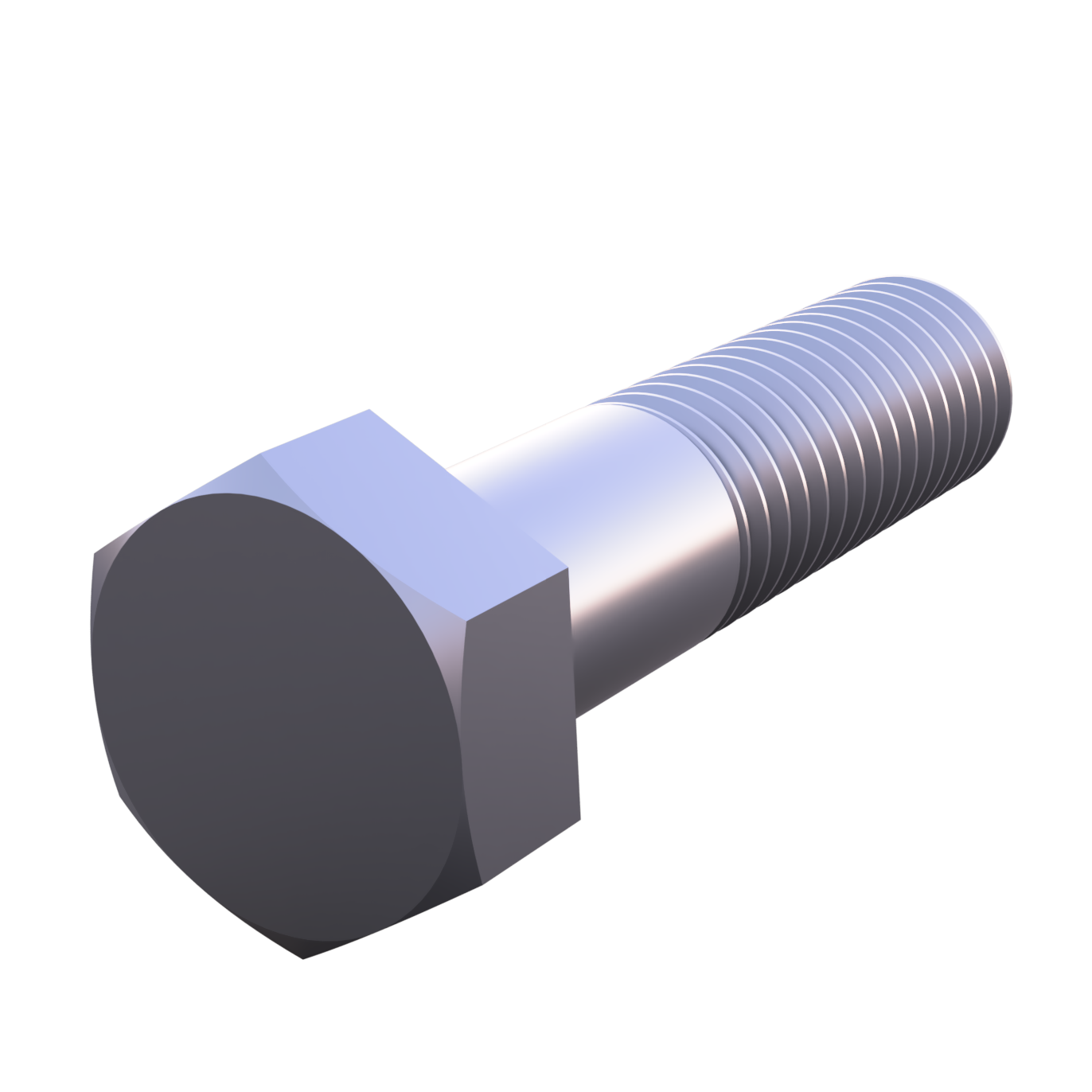
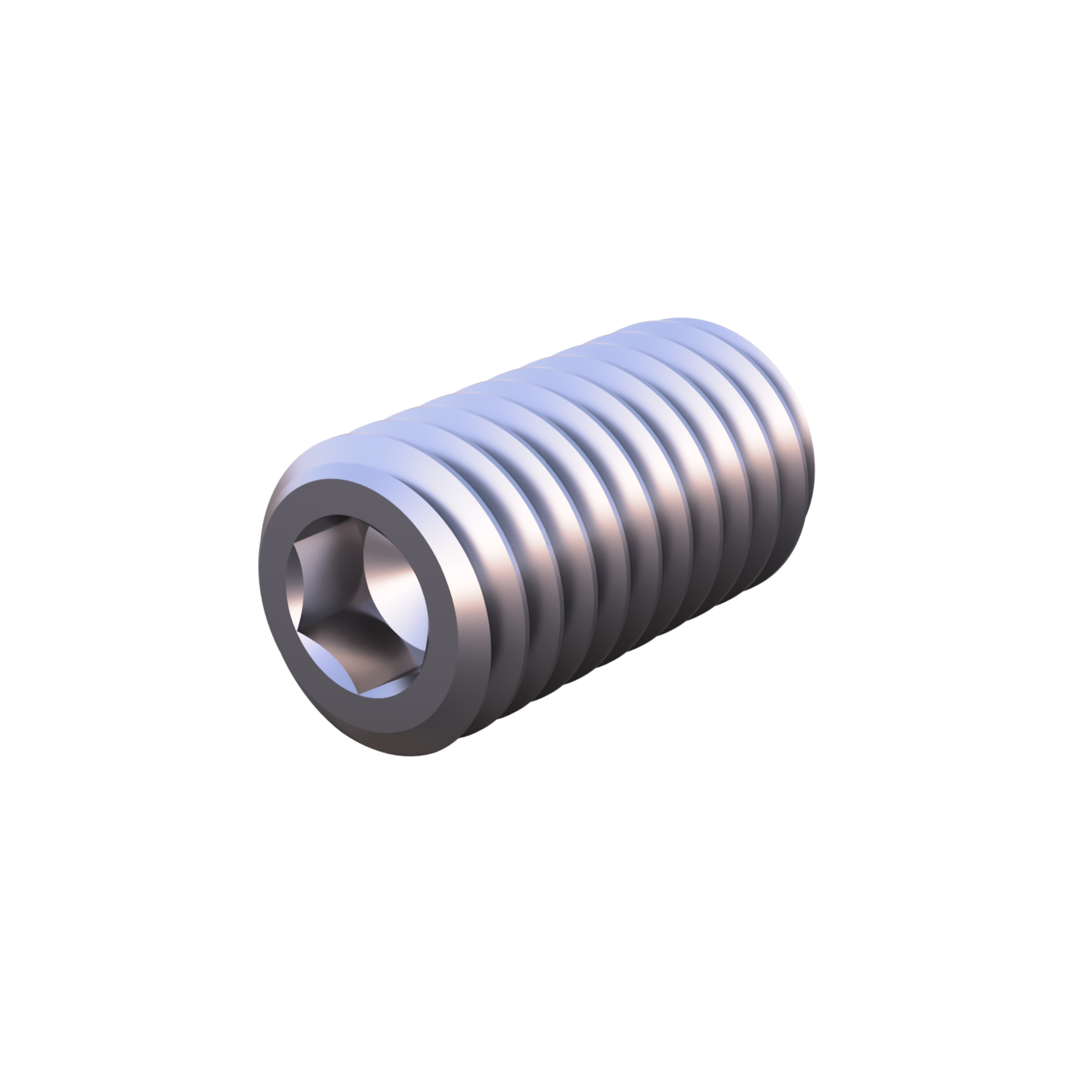
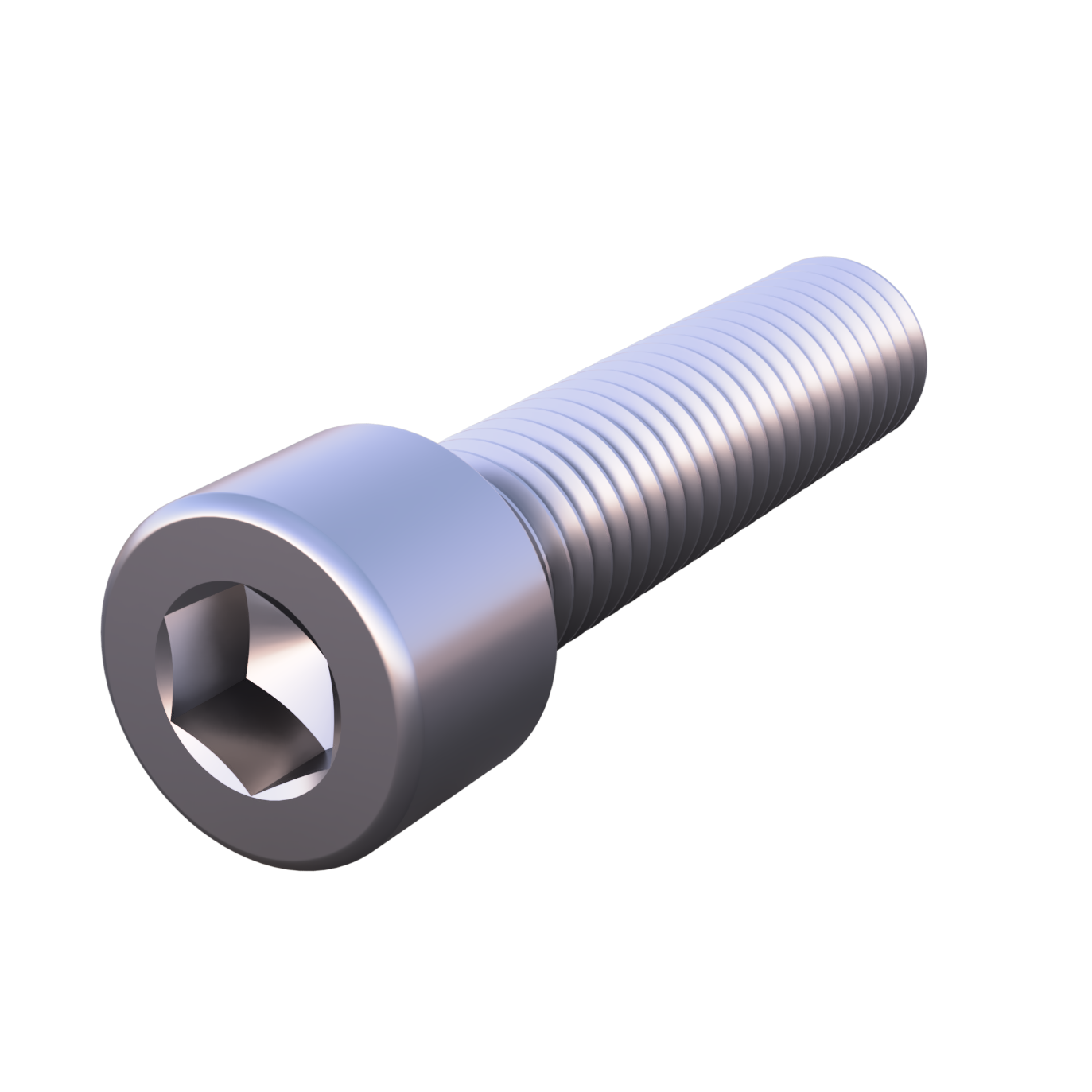
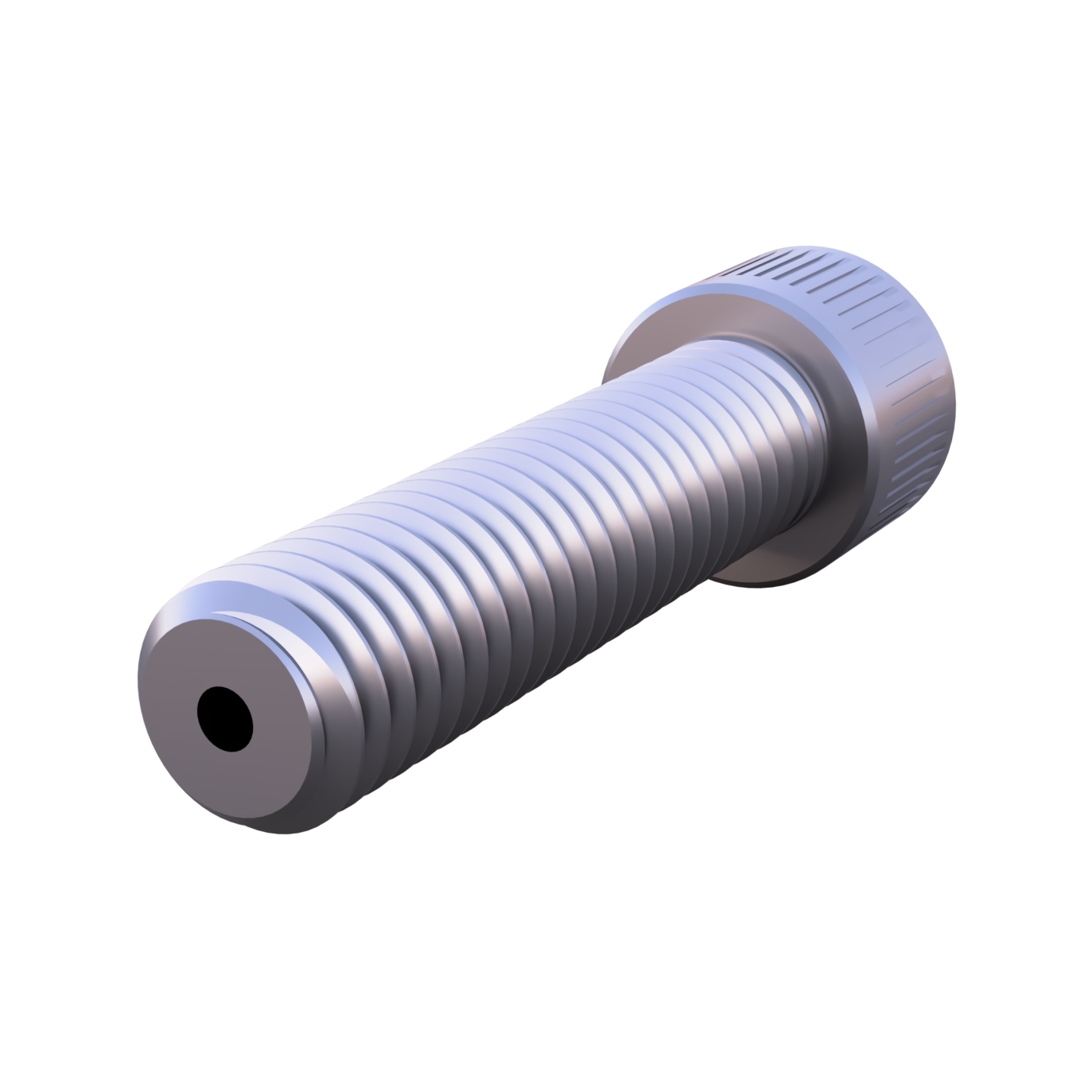
Haynes® 556® Fasteners

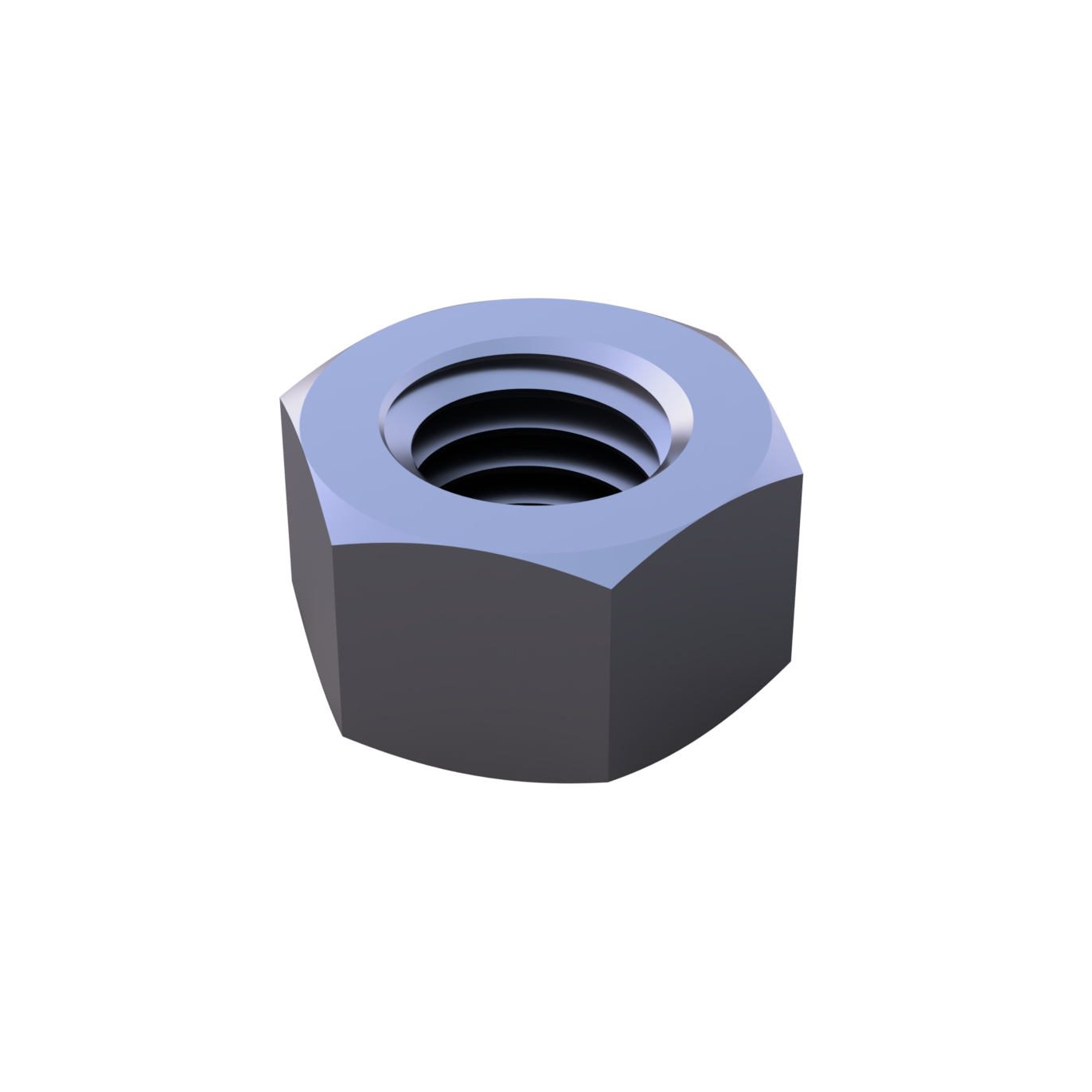
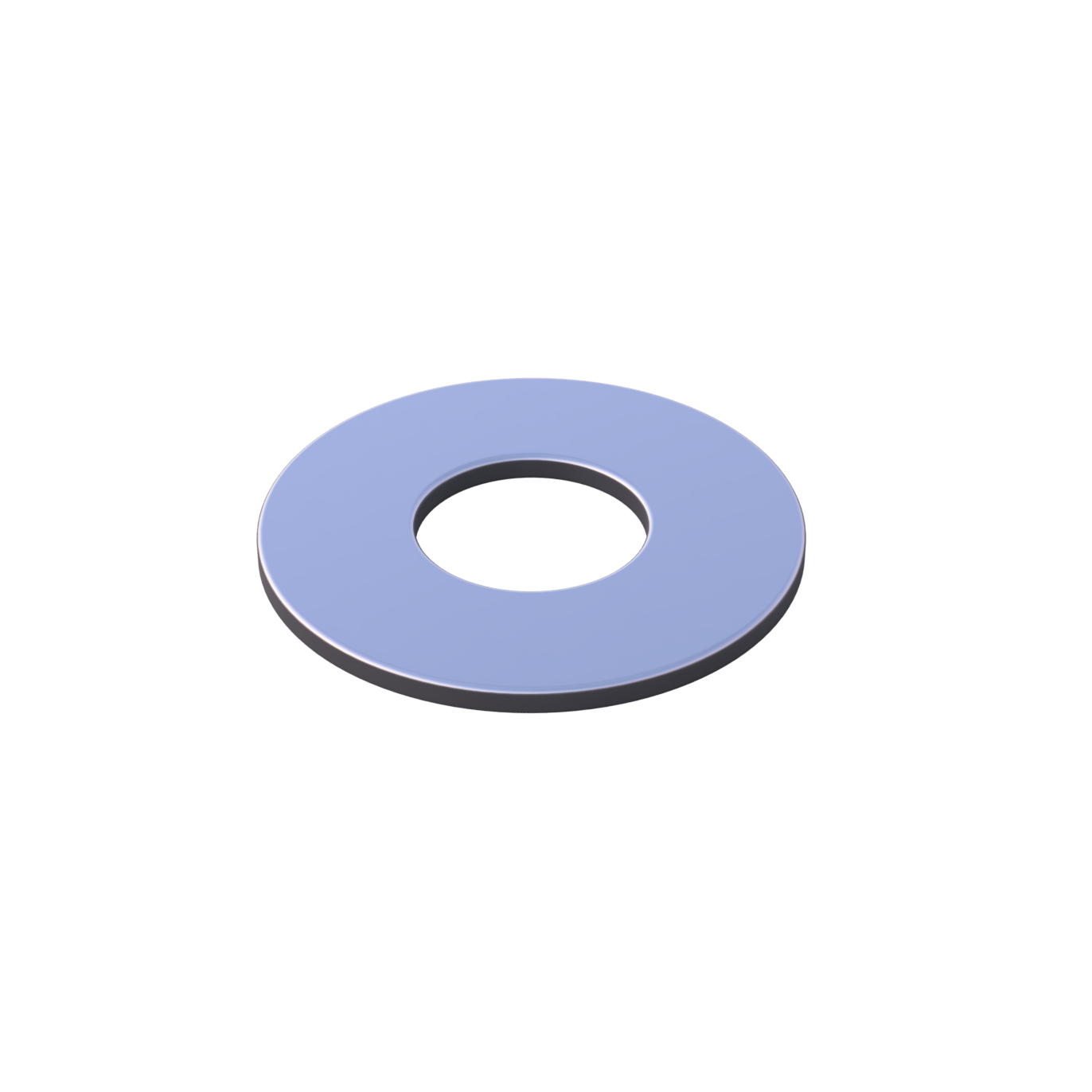
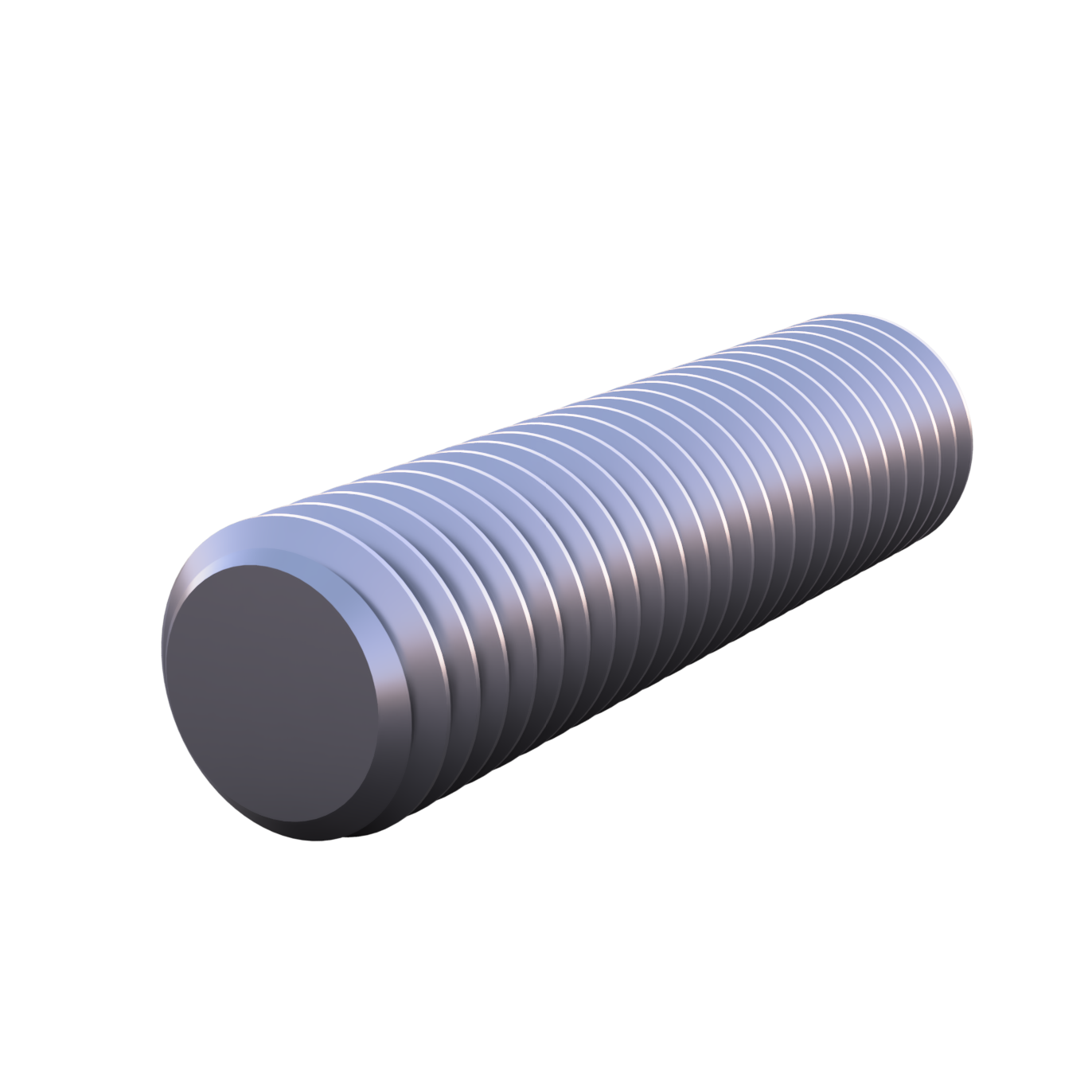
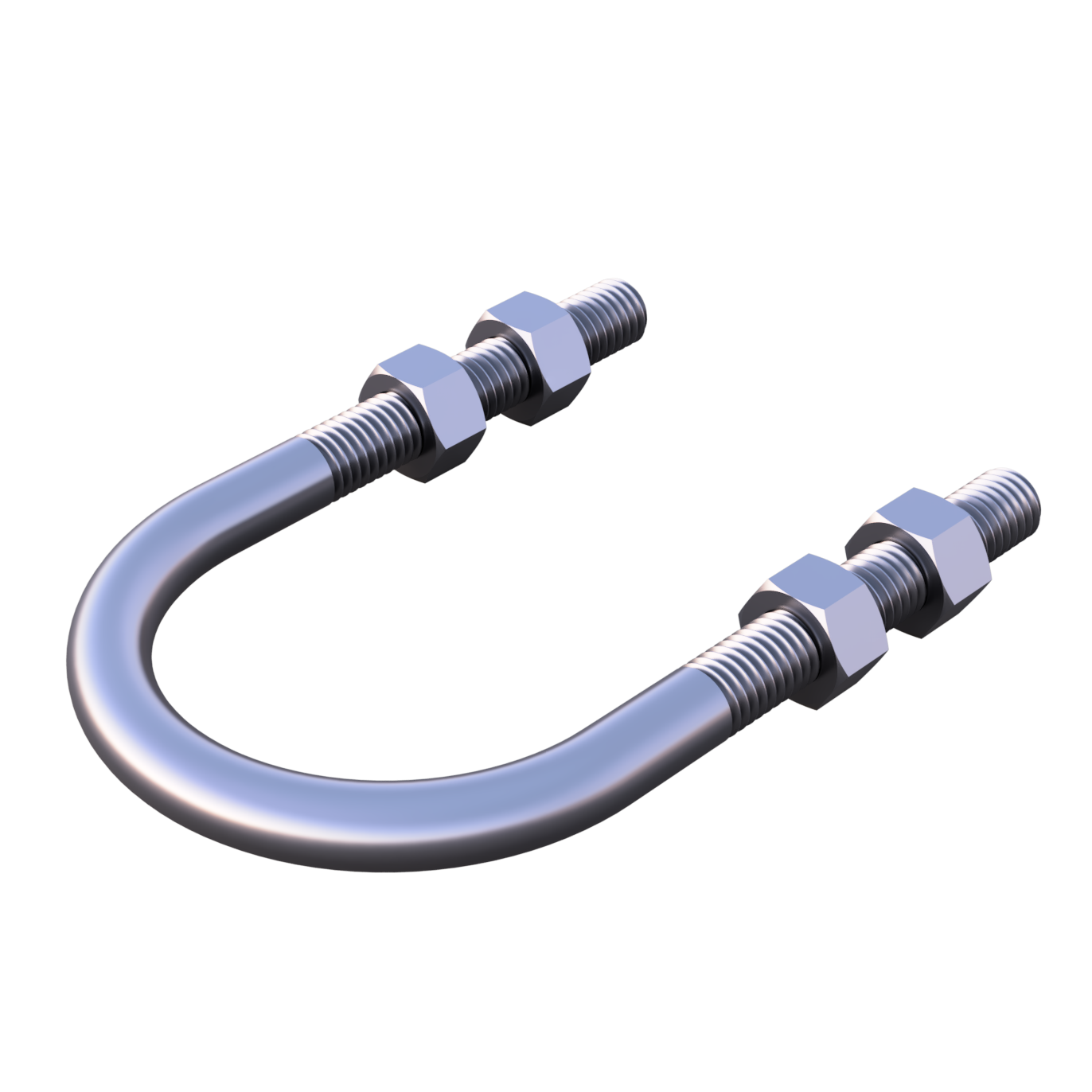
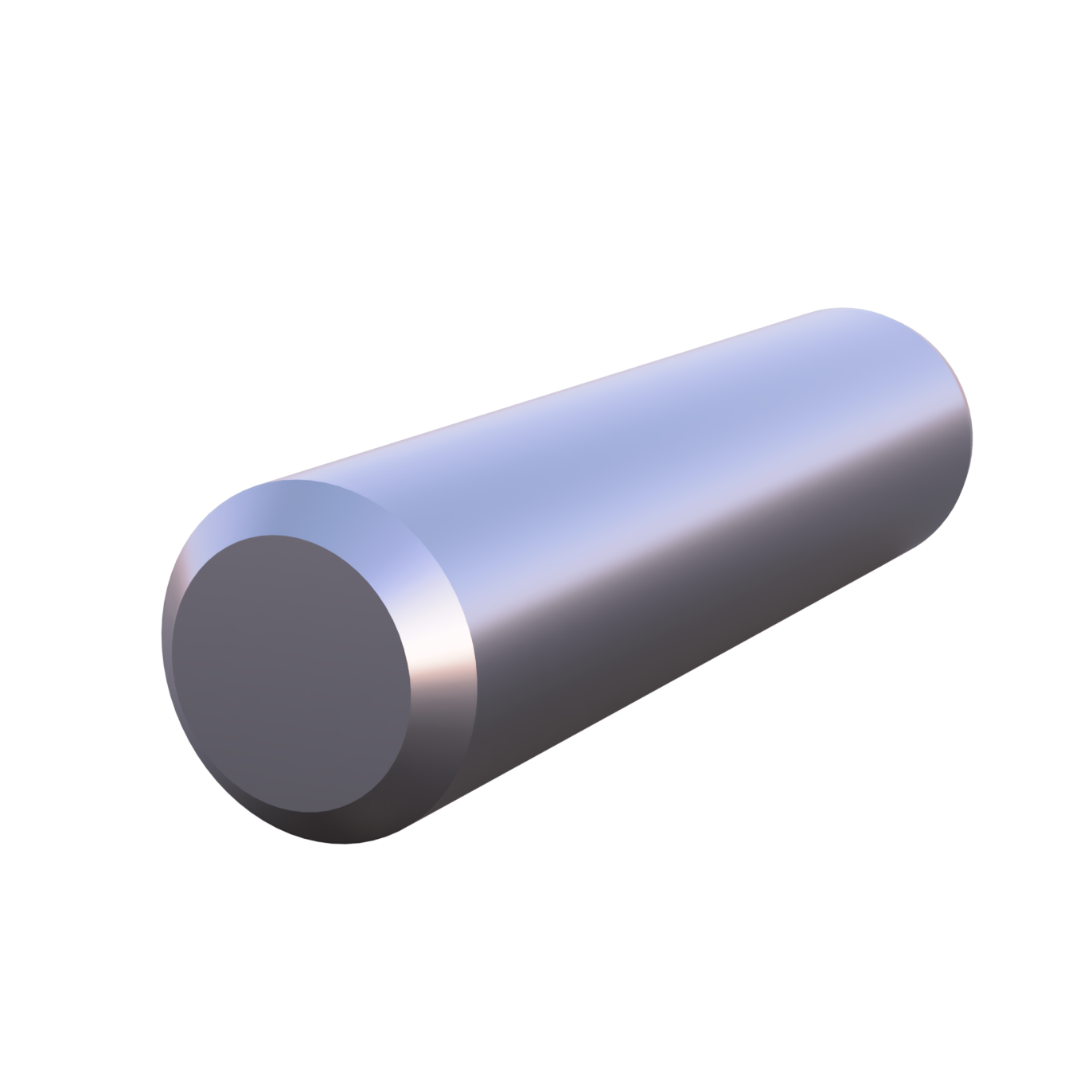
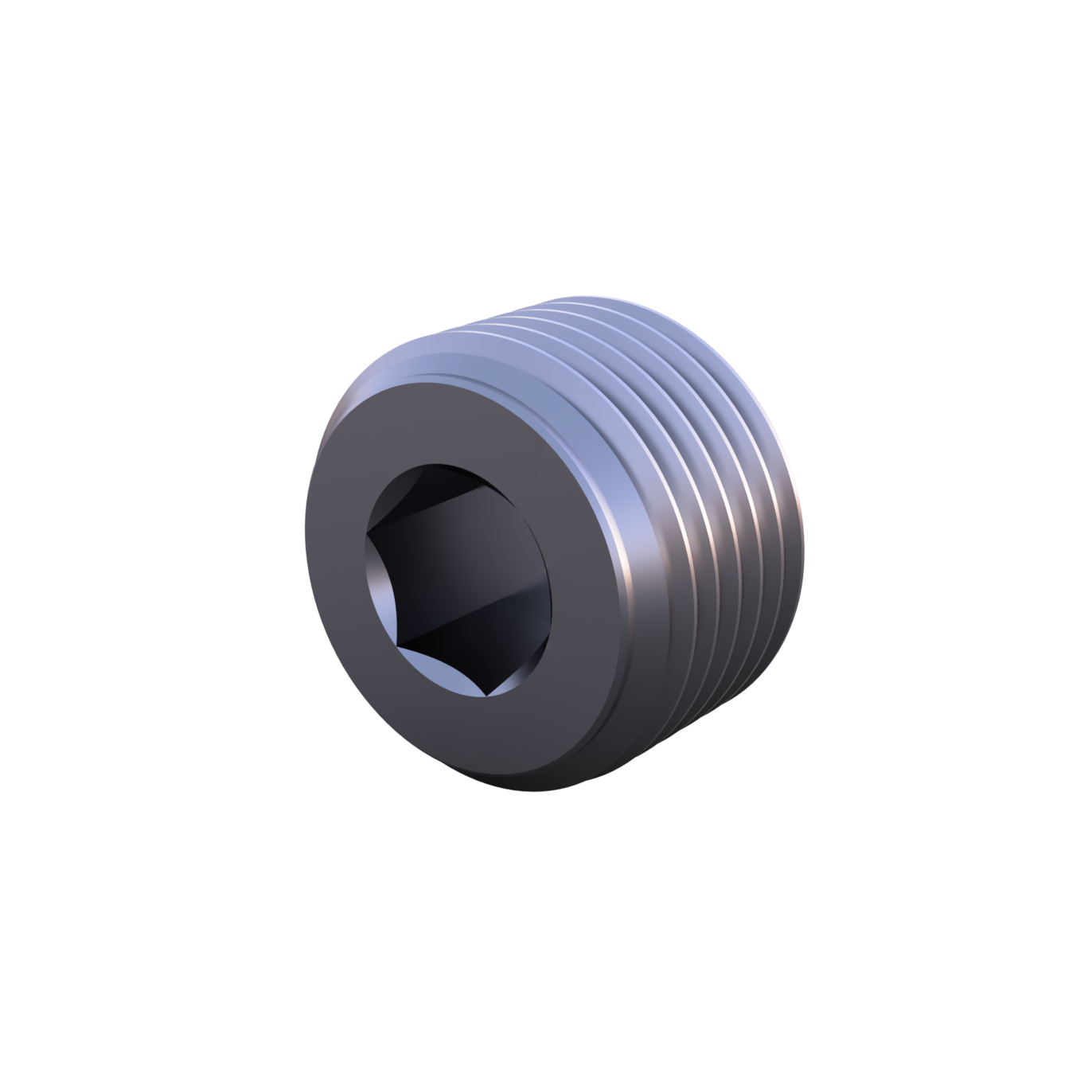
Nickel Systems provides a comprehensive range of Haynes® 556® fasteners. Our offerings include:

We offer full material traceability and conform to rigorous quality standards, supporting both one-off needs and high-volume industrial projects.


Three Blue Hexagons Are Lined Up On A White Background Three Blue Hexagons Are Lined Up On A White Background

Related Materials

Did Haynes 556 material meet or your material needs? If not, check out some related materials.

Three Blue Hexagons Are Lined Up On A White Background Three Blue Hexagons Are Lined Up On A White Background

Industries We Serve

Nickel Systems provides high quality exotic grade materials that hold up in the toughest, most severe heat and corrosive environments. With our large inventory of specialty fasteners in stock, we are always ready to answer the call to serve the most challenging applications.

A Bunch Of Nuts And Bolts On A White Surface
Contact Us Today

Contact Nickel Systems Today for Reliable Haynes® 556® Fasteners

Nickel Systems provides extensive inventory and technical expertise to support your Haynes® 556® fastener selection process. Our knowledgeable team delivers personalized service tailored to your application needs. Contact us online to request a quote.

Contact Us

Table of Contents